Updated September 2026.
Quick answer: Hoi An is about 30 km south of central Da Nang, roughly 40–50 minutes by car or Grab. A day trip only scratches the surface: it covers the Ancient Town and its lanterns, but Hoi An also has beaches, the Bảy Mẫu coconut forest, craft villages, organic farms, the Cham Islands and the My Son ruins. Plan 2–3 days to enjoy it properly, and time your stay for a monthly Full Moon Lantern Night if you can.
How far is Hoi An from Da Nang?
Hoi An is roughly 30 km from Da Nang city centre and about 25–30 km from Da Nang International Airport (DAD). The drive runs along the coast road past My Khe and Non Nuoc beaches, so you can combine it with a stop at the Marble Mountains, which sit roughly halfway.
How do you get from Da Nang to Hoi An?
The easiest option is a Grab car or private driver; the cheapest is the public bus. Motorbike is possible for confident riders with a valid licence.
| Option | Time (one way) | Typical cost (one way) | Best for |
|---|---|---|---|
| Grab car / taxi | 40–50 min | about 300,000–400,000 VND (≈ US$12–16) | Couples, families, evening return |
| Private car with driver (half/full day) | 40–50 min | about 600,000–1,000,000 VND round trip (≈ US$24–40) | Adding Marble Mountains stop |
| Public bus | 60–90 min | about 20,000–30,000 VND (≈ US$1) | Budget travellers, daytime only |
| Shuttle bus (hotel or tour operator) | 45–60 min | about 100,000–150,000 VND | Fixed schedule, low cost |
| Motorbike (self-drive) | 40–50 min | rental about 120,000–150,000 VND/day plus fuel | Experienced riders with a valid licence |
Tip: check the return fare before you leave. Grab prices in Hoi An rise after the lantern crowds leave around 9–10 PM.
How many days do you need in Hoi An?
Two to three days is ideal. One day is enough only for the Ancient Town and an evening of lanterns. With more time you can explore the countryside, beaches and islands that most day-trippers never see:
- 1 day: Hoi An Market in the morning, Ancient Town highlights, lantern boat, night market.
- 2 days: add cycling through rice fields to Tra Que village, a basket boat ride in the Bảy Mẫu coconut forest, and sunset at An Bang Beach.
- 3 days: add a full day at the Cham Islands or a morning at My Son Sanctuary, plus a tailor fitting.
When is the Hoi An Full Moon Lantern Festival?
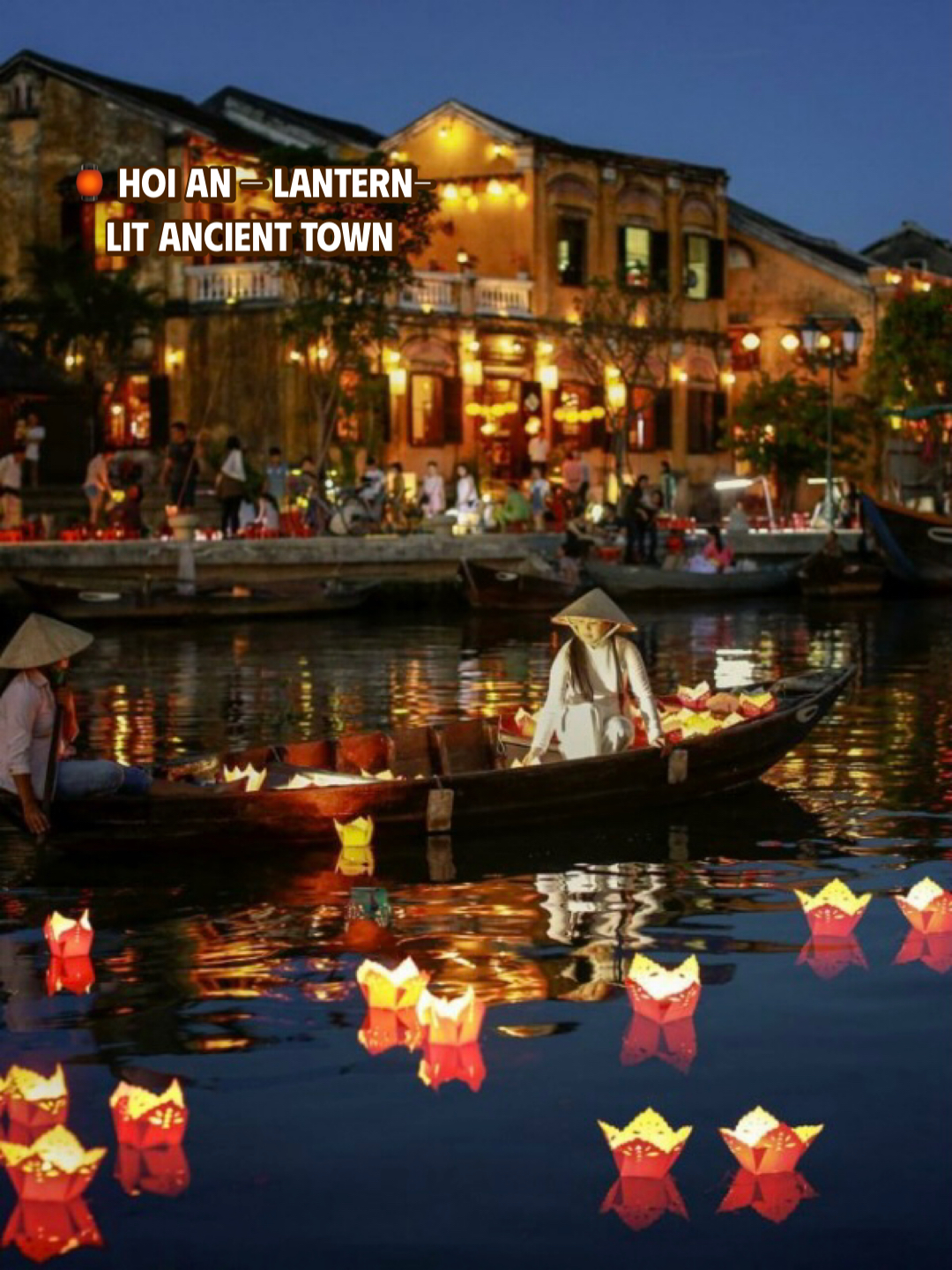
On the 14th day of every lunar month, the Ancient Town switches off many electric lights and glows with coloured lanterns and candles on the Thu Bon River. Upcoming lantern nights:
| Month | Lantern night |
|---|---|
| October 2026 | Friday, 23 October 2026 |
| November 2026 | Sunday, 22 November 2026 |
| December 2026 | Tuesday, 22 December 2026 |
| January 2027 | Thursday, 21 January 2027 |
| February 2027 | Friday, 19 February 2027 |
| March 2027 | Sunday, 21 March 2027 |
| April 2027 | Tuesday, 20 April 2027 |
Tip: arrive before sunset to find a spot by the river, and book accommodation early, because lantern nights are the busiest evenings of the month. Visiting in September? Hoi An also celebrates the Mid-Autumn Festival (Tết Trung Thu) on the full moon of the 8th lunar month. In 2026 it featured the town’s first 500-drone and fireworks show. In the rainy season (October–December), heavy rain or river flooding can change plans.
What to see in Hoi An Ancient Town
Foreign visitors buy an Old Town ticket that covers entry to a set number of heritage sites (old houses, assembly halls, museums). The price was 120,000 VND per person for international visitors. Buy it at the ticket booths at the Old Town entrances and keep it with you, because staff check tickets at the sites.
- Japanese Covered Bridge (Chùa Cầu): Hoi An’s symbol, reopened after restoration in 2024.
- Old houses: such as Tan Ky Old House, a merchant’s house mixing Vietnamese, Chinese and Japanese styles.
- Assembly halls: the Fujian (Phuc Kien) Assembly Hall is the most ornate.
- Thu Bon River lantern boats: a short boat ride at dusk to release a paper lantern, about 150,000–200,000 VND per boat.
- Hoi An Night Market: on Nguyen Hoang Street, An Hoi islet, open in the evening.
- Tailors: Hoi An is famous for made-to-measure clothes; allow at least 24 hours for a fitting, so order early if you plan to return.
Hoi An Market (Chợ Hội An): go during the day
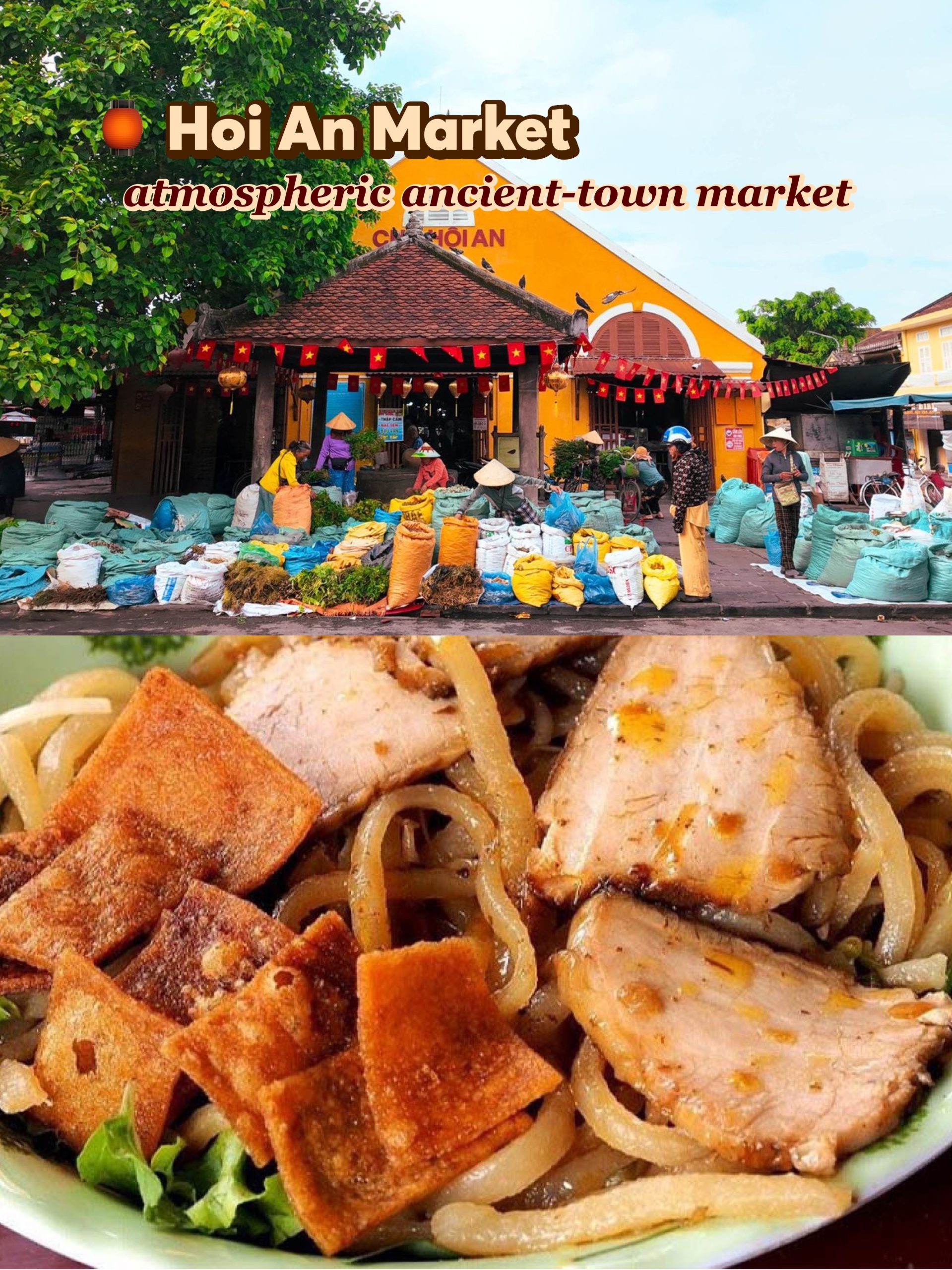
The central market by the Thu Bon River is a must-visit: a lively, atmospheric ancient-town market full of fresh produce, herbs, seafood, spices and local snacks. Head to the food stalls for a bowl of cao lầu or mì Quảng at local prices.
Important: the market is busiest in the early morning and closes early, with most stalls winding down by early afternoon. Plan it for the morning. It is not an evening activity, unlike the night market on An Hoi islet.
The Bảy Mẫu coconut forest experience
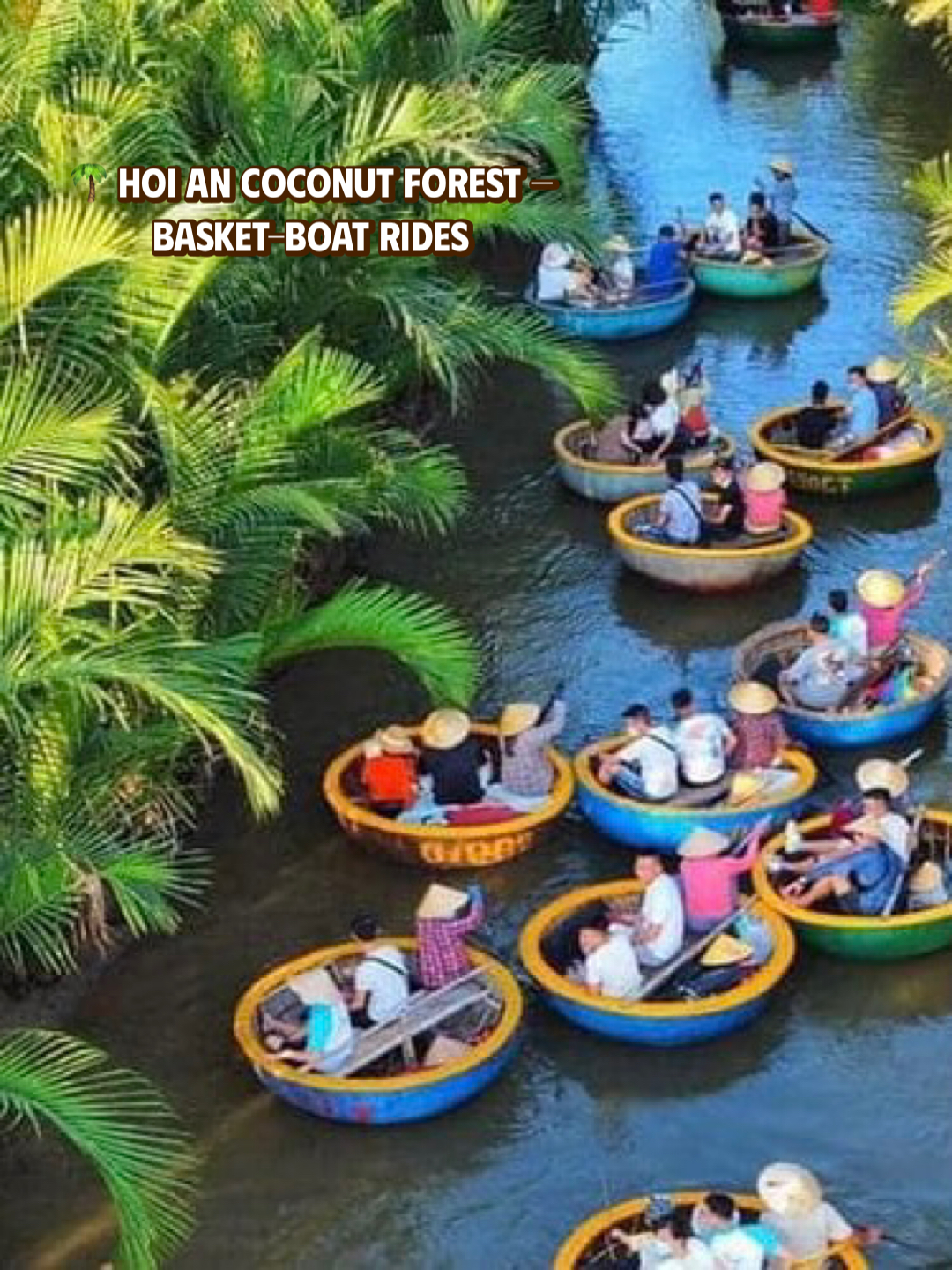
The Bảy Mẫu coconut forest (Rừng dừa Bảy Mẫu) in Cẩm Thanh, about 5 km from the Old Town, is one of Hoi An’s most memorable experiences. Once a hiding place for boats during the war, today it is a maze of water-coconut palms that you explore in a round bamboo basket boat (thúng chai), paddled by a local boatman.
- Glide through the palms: a calm ride along narrow waterways shaded by nipa palms, great for photos.
- Basket boat spinning: boatmen show off by spinning their round boats at speed on the water, often with music playing on the river. Ask for a gentle ride if you prefer.
- Try it yourself: have a go at paddling the basket boat, casting a traditional fishing net, or catching crabs along the banks.
- Coconut-leaf crafts: boatmen weave rings, grasshoppers and hats from coconut leaves as small souvenirs.
Practical tips: a basket boat ride usually lasts 30–60 minutes and costs about 150,000–200,000 VND per person, often including a boatman and hat. Go in the early morning or late afternoon, when it is cooler and the light is softer. Book through a registered ticket counter or your hotel, and agree the price before boarding. It is easy to combine with a bike ride through the rice fields and a cooking class nearby.
Duck Stop: Hoi An’s newest farm experience

Duck Stop is one of the newest and most fun things to do in Hoi An, especially with kids. At this small eco-farm among the rice fields near Cẩm Thanh, about 4 km (around 15 minutes) from the Old Town, you step into the pens with hundreds of friendly ducks.
- Feed the ducks: grab a bucket of grain and the whole flock rushes over to eat straight from your hands, famously known as the “duck massage”.
- Be the duck leader: local hosts show you how to herd the flock across the farm, a hilarious and memorable moment.
- Meet the ducklings: hold fluffy baby ducks in the “little duckie” area.
- Rice-field views: the farm sits among green paddies with the Marble Mountains on the horizon.
Practical tips: a visit takes about an hour and costs around 100,000 VND per person (≈ US$4), often paid as a contribution to the family who runs the farm. It is open roughly 8 AM to 5:30 PM. Wear sandals you don’t mind getting dirty, bring a hat, and combine it with a basket boat ride in the Bảy Mẫu coconut forest nearby.
Watch our Duck Stop visit:
Beyond the Ancient Town: what else is there to do in Hoi An?
This is where Hoi An really shines, and why a single day is not enough.
- Tra Que vegetable village: an organic herb-growing village about 3 km from town; join a farming and cooking class, or simply cycle through the fields.
- Cycling through the golden rice fields: one of the most unforgettable things to do in Hoi An. Rent a bicycle and ride the quiet country lanes around Cẩm Thanh, Cẩm Hà and Tra Que, past water buffalo and farmers at work. Just before each harvest the whole landscape turns a brilliant golden yellow; late September, right before the autumn harvest, is one of the most beautiful times to ride. Go in the early morning or around sunset for soft light and cooler air, and take a break at Roving Chillhouse, a café right on the edge of the paddies (see our coffee picks below). Bike rental costs about 30,000–50,000 VND per day.
- Thanh Ha pottery village: a riverside village making terracotta pottery for centuries; try the potter’s wheel yourself.
- Kim Bong carpentry village: across the river on Cẩm Kim island, known for wooden boats and carving; reach it by ferry or bike.
- An Bang Beach: a relaxed beach about 4–5 km from the Old Town, with beach bars and seafood; perfect for sunset.
- Cua Dai Beach: quieter sand close to the pier for the Cham Islands.
- Cham Islands (Cù Lao Chàm): a marine park reached by speedboat from Cua Dai pier in about 20–30 minutes; snorkelling, fishing villages and seafood. Boats may not run in rough weather, especially from October to December.
- My Son Sanctuary (Mỹ Sơn): UNESCO-listed Cham temple ruins about 40 km inland, roughly an hour by car; go early to beat the heat.
A 3-day Hoi An itinerary
Day 1: Ancient Town and lanterns
Arrive from Da Nang in the morning and start at Hoi An Market while it is busy (it closes early), with a bowl of cao lầu at the food stalls. Visit 2–3 heritage sites, walk the riverfront at golden hour, eat cao lầu for dinner, then take a lantern boat and browse the night market.
Day 2: Countryside, coconut forest and beach
Cycle through the rice fields (golden just before harvest) to Tra Que village in the morning and join a cooking class. Stop for coffee at a rice-field café such as Roving Chillhouse. In the afternoon, feed and herd the ducks at Duck Stop, take a basket boat through the Bảy Mẫu coconut forest, then finish with sunset and seafood at An Bang Beach.
Day 3: Islands or ruins
Take a speedboat to the Cham Islands for snorkelling, or head to My Son Sanctuary early in the morning. In the afternoon, visit Thanh Ha pottery village or pick up your tailored clothes before returning to Da Nang.
Where should you stay in Hoi An?
- Near the Ancient Town: walk to everything, best for first-timers and lantern nights.
- An Bang or Cua Dai beach: quieter, sea views, a short bike ride to town.
- Cẩm Thanh countryside: homestays among rice fields, close to the Bảy Mẫu coconut forest.
6 must-try coffee shops in Hoi An
Hoi An’s café scene is part of the experience, from moody heritage rooms in the Old Town to garden hideaways and rice-field terraces. Here are our six favourites:
1. Chu An
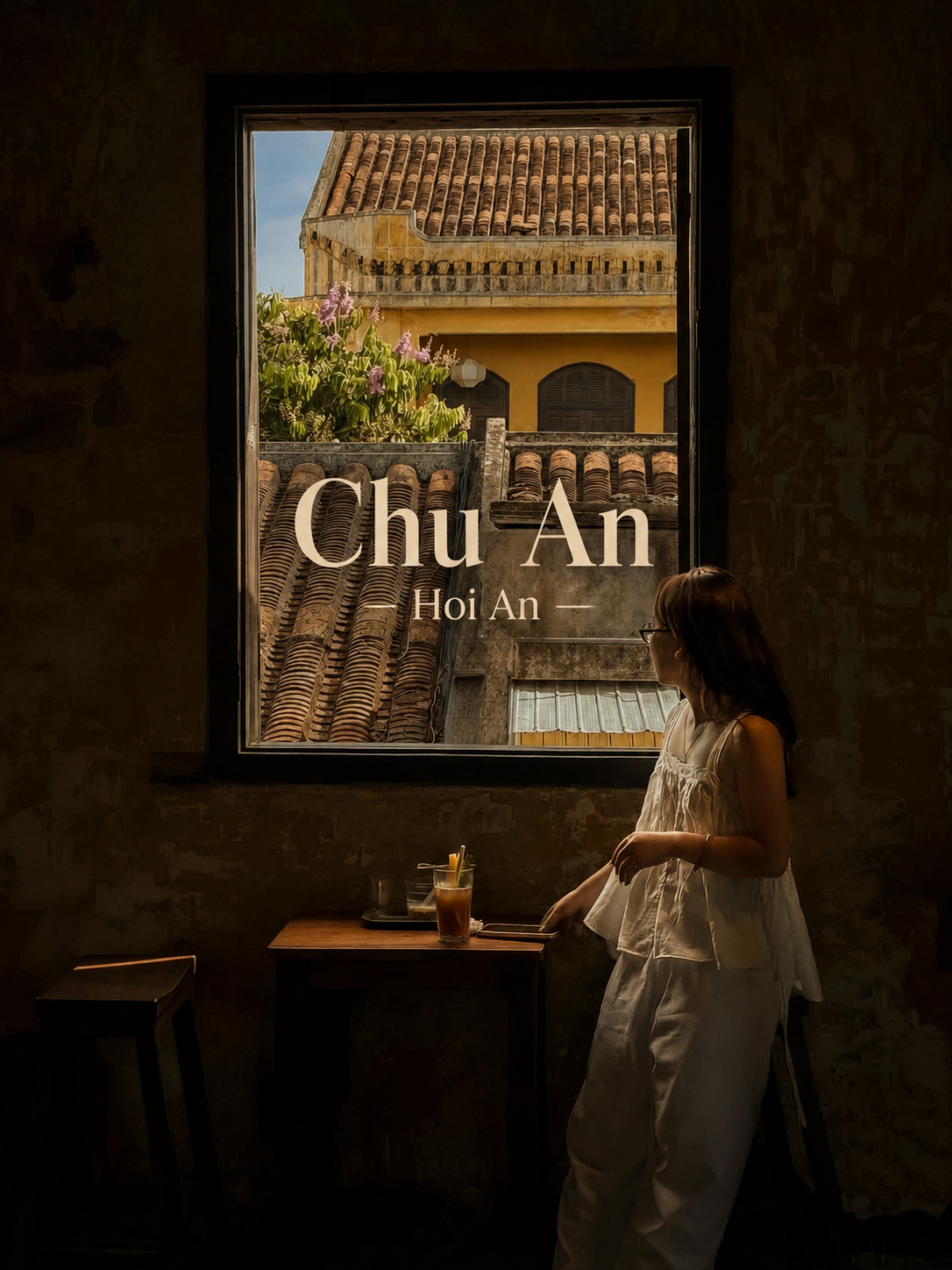
A dim, atmospheric room with a window framing the Old Town’s mossy tiled roofs. Perfect for a quiet coffee and photos with a true Hoi An feel.
2. Hanapan Bakery
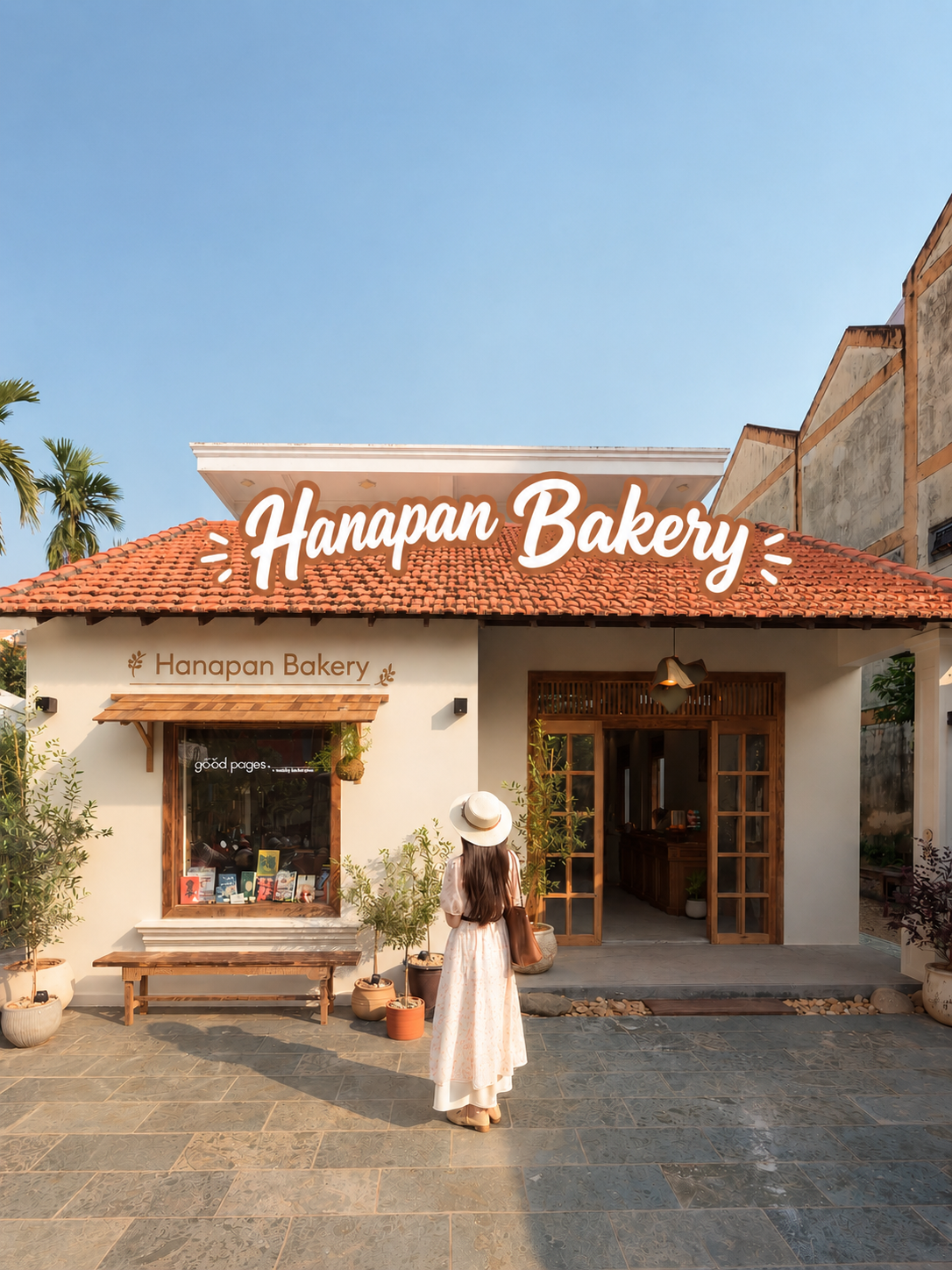
A bright white bakery under a terracotta roof, ideal for breakfast pastries and coffee before exploring.
3. Roving Chillhouse
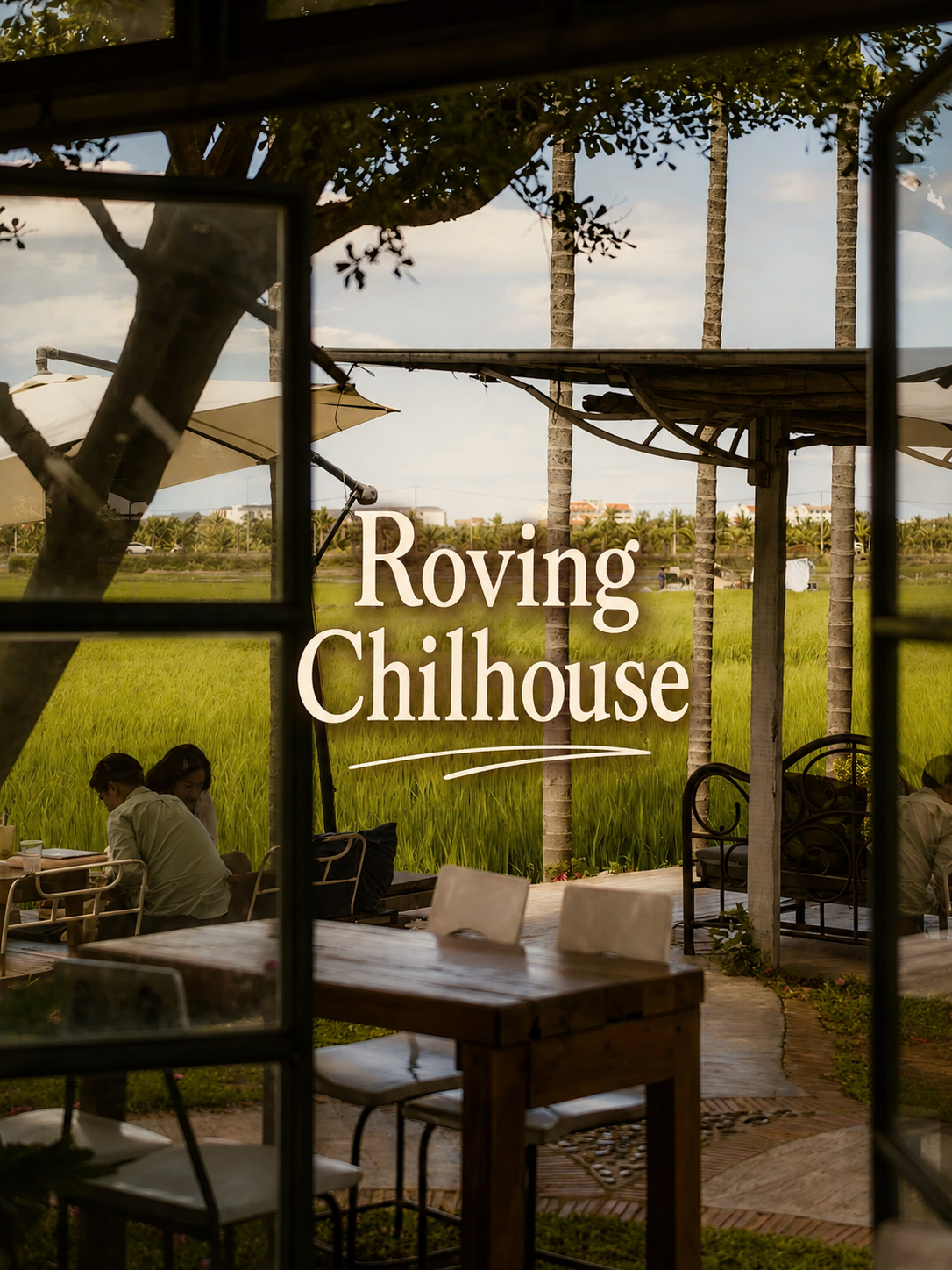
Open-air seating right on the edge of the rice paddies. The perfect stop on a rice-field bike ride: park your bicycle, order an iced coffee and watch the fields turn golden before harvest.
4. The Inner by Ala
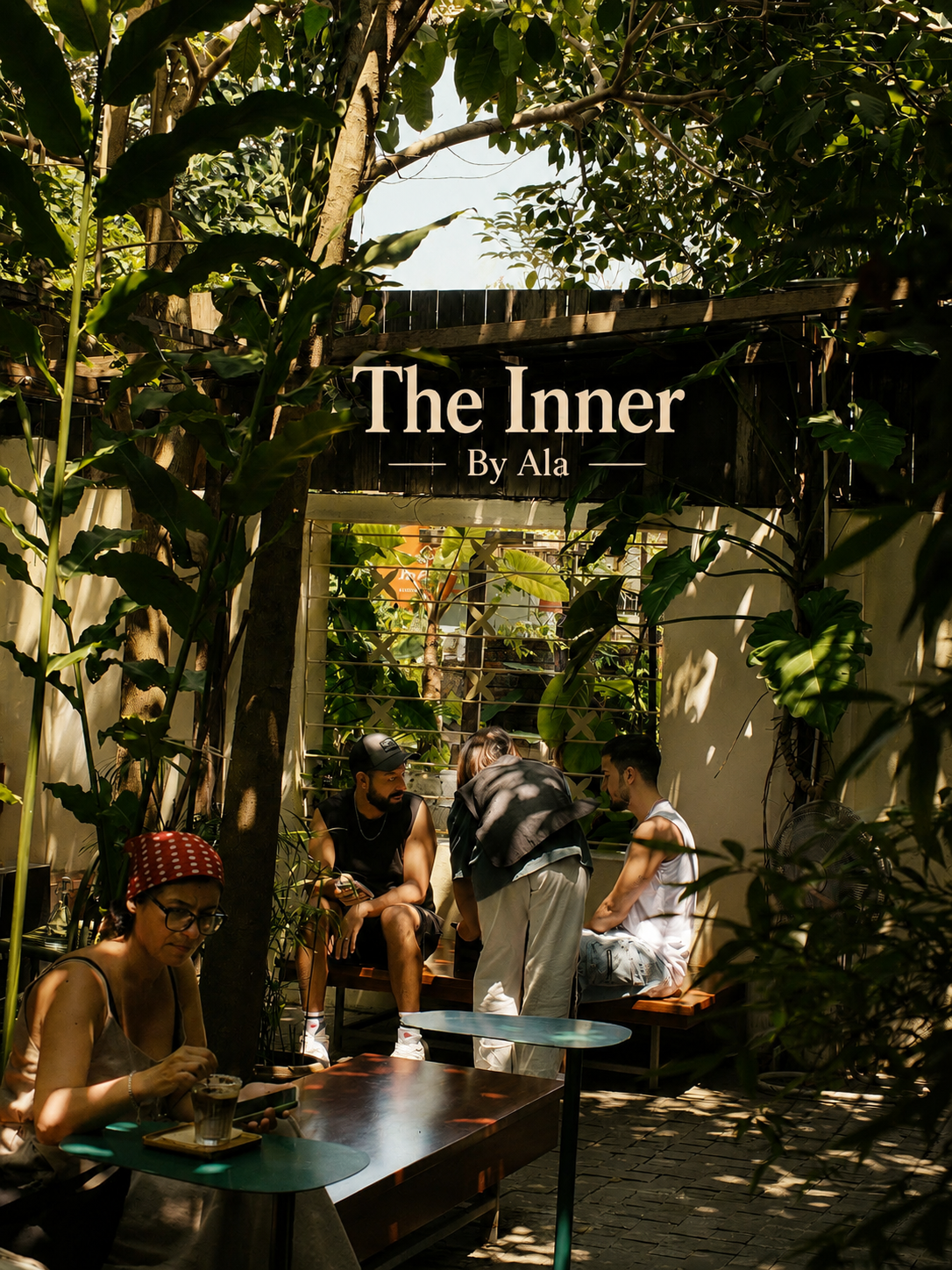
A leafy courtyard hidden behind a garden gate, shaded by trees. A calm escape from the midday heat.
5. Little Pie
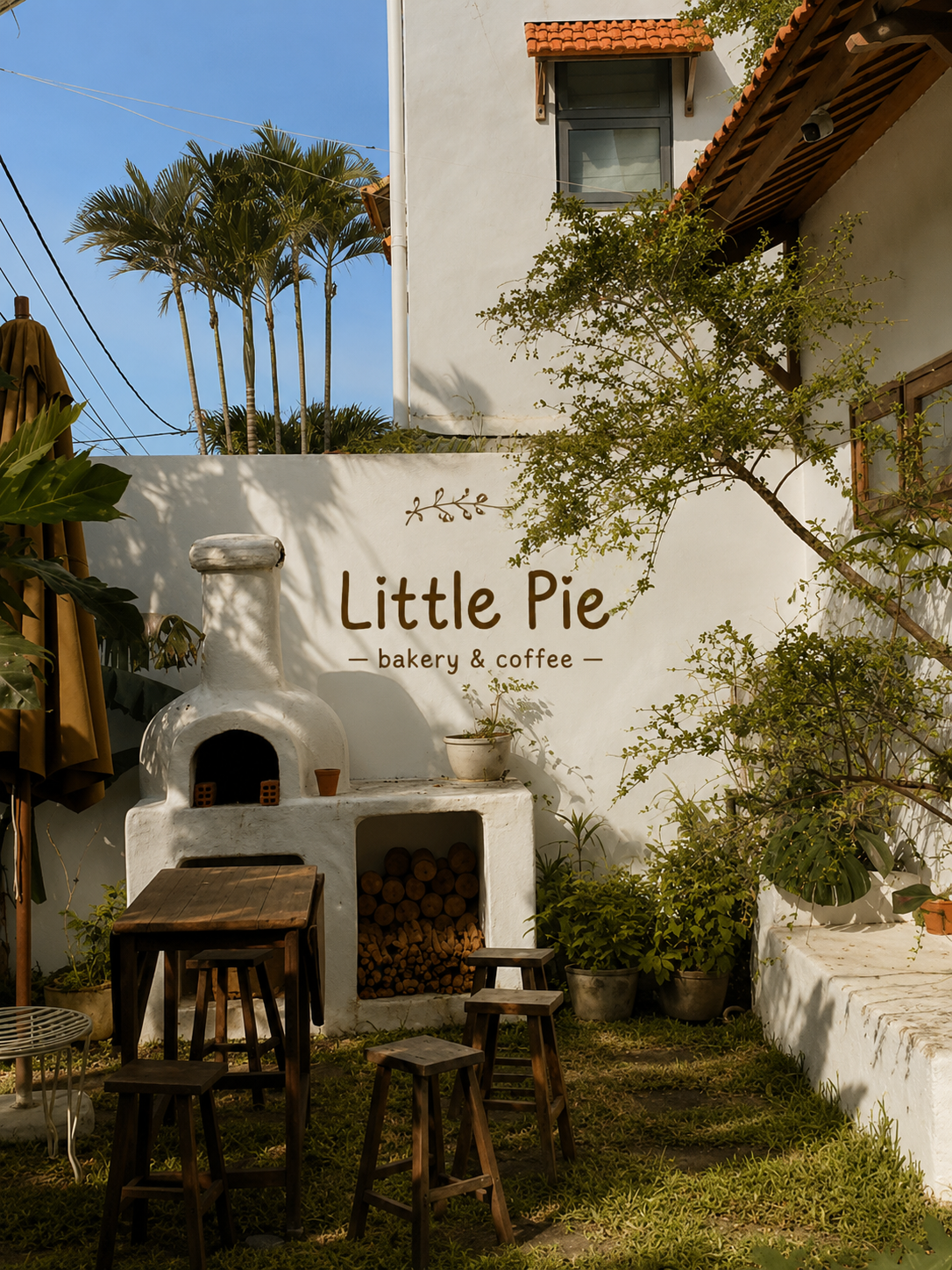
A bakery and coffee shop with a sunny garden and a wood-fired oven. Come for fresh pies and a relaxed, homely vibe.
6. Nhà Chung | Fefe Coffee
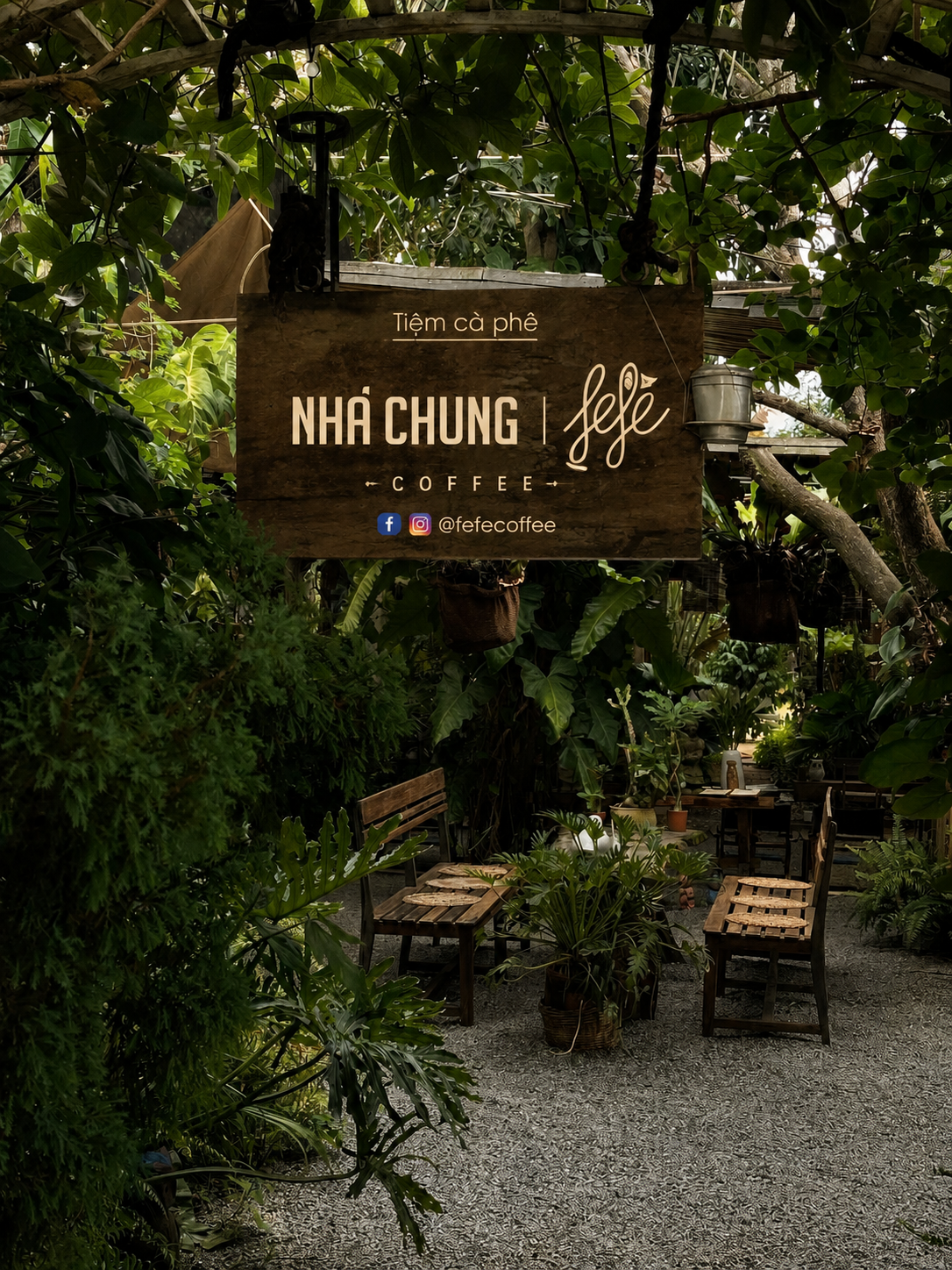
A jungle-like garden café full of greenery and wooden benches. Try a Vietnamese coffee here and soak up the peaceful atmosphere.
What should you eat in Hoi An?
Hoi An’s signature dishes are cao lầu (thick noodles with pork and greens), white rose dumplings (bánh bao bánh vạc) and its famous bánh mì. For more local food ideas back in the city, see our guide to what to eat in Da Nang and the Michelin Bib Gourmand picks.
When is the best time to visit Hoi An?
February to May is usually the most comfortable season. June to August is hot but good for the beaches and Cham Islands. October to December brings heavy rain, and the Old Town riverfront can flood. Whenever you go, try to include a Full Moon Lantern Night (see the dates above). See our best time to visit Da Nang guide for month-by-month weather. Prefer to base yourself in the city? Compare areas in where to stay in Da Nang, or follow our 5-day Da Nang and Hoi An itinerary.
Only have one day? A Hoi An day-trip timetable
This afternoon-to-evening plan is built around the lanterns. If you want to see Hoi An Market too, leave Da Nang in the morning instead, because the market closes early.
- 2:00 PM – Leave Da Nang (optional 60–90 min stop at the Marble Mountains).
- 3:30 PM – Buy your Old Town ticket and visit 2–3 heritage sites.
- 5:30 PM – Walk the riverfront for golden-hour photos.
- 6:30 PM – Dinner: cao lầu, bánh mì or white rose dumplings.
- 7:30 PM – Lantern boat on the Thu Bon River, then the night market.
- 9:00 PM – Return to Da Nang.
Hoi An FAQ
Is one day enough for Hoi An?
Only for the Ancient Town and lanterns. To see the Bảy Mẫu coconut forest, craft villages, beaches, the Cham Islands or My Son Sanctuary, plan 2–3 days.
When is the next Hoi An lantern festival?
It is held on the 14th day of each lunar month. Upcoming dates: 23 October, 22 November and 22 December 2026; 21 January, 19 February, 21 March and 20 April 2027.
What is Duck Stop in Hoi An?
Duck Stop is a small eco-farm near Cẩm Thanh, about 15 minutes from the Old Town, where you can feed, herd and cuddle hundreds of ducks. It takes about an hour, costs around 100,000 VND, and is especially popular with families.
Is the Bảy Mẫu coconut forest worth it?
Yes. The basket boat ride through the water-coconut palms is one of the most fun and photogenic things to do in Hoi An, and it shows a side of local life you won’t see in the Ancient Town. Allow about 2 hours including travel from the Old Town.
How much does a Hoi An day trip from Da Nang cost?
Roughly 800,000–1,200,000 VND (≈ US$32–48) per person including Grab both ways, the Old Town ticket, a lantern boat and dinner, less if sharing a car.
Can you visit Hoi An and the Marble Mountains on the same day?
Yes. The Marble Mountains are on the way; allow 60–90 minutes there. Read our Marble Mountains guide.
Is Hoi An walkable?
Yes. The Ancient Town is compact and parts are closed to cars and motorbikes at set hours, so walking is the best way to explore.
Is Grab available in Hoi An?
Yes, Grab cars and bikes operate in Hoi An, though waits can be longer late at night.
Planning more of your trip? Start with our ultimate Da Nang travel guide.