Updated 15 November 2026. Visa, tax and benefit rules change often. Use this as a starting point, not legal or financial advice, and confirm anything important with the official source.
Quick answer: Yes, Da Nang is a good place to retire, as long as you can live with a few gaps. Forbes added Vietnam to its list of The Best Places To Retire Abroad In 2026, and named Da Nang and Hoi An among its four picks in the country. A retired couple can live comfortably here on roughly US$1,800–2,500 a month including rent and health insurance. The catches: Vietnam has no retirement visa, healthcare is good for everyday needs but not for everything, and flights home to the US take a full day.
In this guide: What Forbes said · A monthly budget for a retired couple · How retirees stay long term · Healthcare and insurance · Social Security, Medicare and tax · Where retirees live · Weather · Daily life · The honest downsides · FAQ
What Forbes said about Vietnam
Forbes picked 24 countries and 96 towns for its 2026 list. Vietnam is on it for the first time, together with Mauritius. The four Vietnamese picks are Hanoi, Ho Chi Minh City, Da Nang and Hoi An. In short, Forbes liked:
- The cost of living, which it puts at about a quarter of the US average, the cheapest rating on the whole list
- The beaches, the food and how much there is to do
- A low serious crime rate
- Tax: Forbes notes that Vietnam does not tax the foreign retirement income of US retirees
And it was honest about the downsides: no formal retirement visa, healthcare that is improving but still uneven (so private insurance is a must), typhoon flooding, English that is only “somewhat” spoken outside the big cities, and long trips back to the US with at least one stop.
We live here, and we agree with all of it. Below is what the list does not have room for: real prices, how the visa situation works day to day, and which parts of the city suit a slower life.
A monthly budget for a retired couple in Da Nang
Numbeo puts everyday costs for one person at about US$450 a month before rent. For two people who eat out often, take Grab and want a comfortable apartment, this is a realistic picture. These are our estimates from 2026 prices, not official figures.
| Monthly cost (couple) | Comfortable | Notes |
|---|---|---|
| Rent, 1–2 bedroom near the beach | US$450–800 | One-bedrooms near My Khe are about US$440–610; further from the beach, less |
| Electricity, water, internet | US$60–120 | Air-conditioning in summer is the big one |
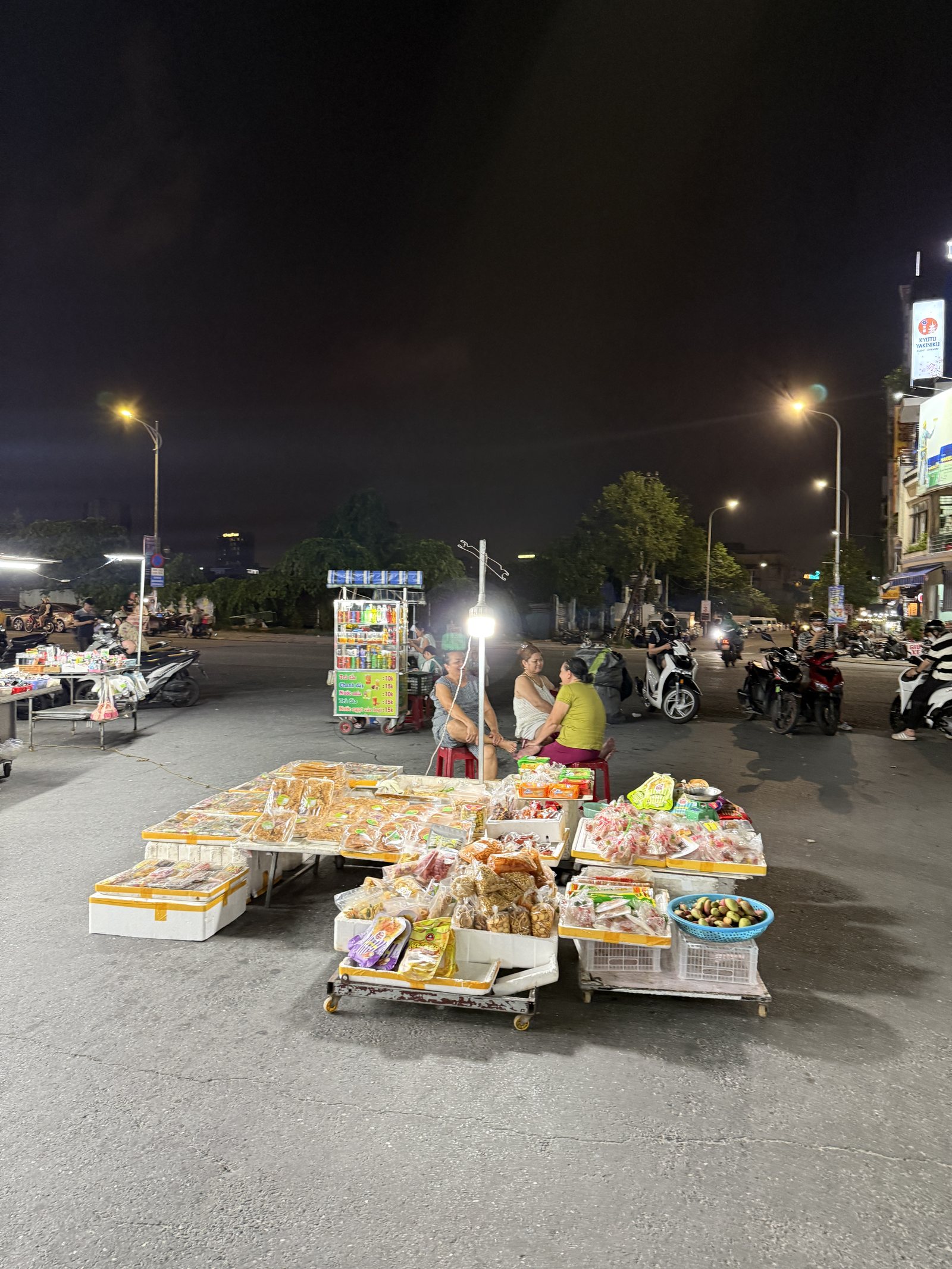
| Food: markets, local meals, some Western dinners | US$450–650 | A local lunch is about US$2 |
| Grab rides and buses | US$40–80 | A 5 km Grab bike is about US$1 |
| Health insurance (international plan) | US$300–900 | Depends heavily on age, cover and deductible: get quotes |
| Phone, gym, coffee, extras | US$100–200 | A local iced coffee is under US$1.50 |
| Total | about US$1,800–2,500 | Plus a visa trip every 3 months (see below) |
One tip from a local: foreigners are often quoted far more than Vietnamese renters for the same apartment. Ask a Vietnamese friend or a trusted agent to make the first call, and look a few streets away from An Thuong. Our moving to Da Nang guide has a full price list.
How retirees stay long term (there is no retirement visa)
This is the biggest difference between Vietnam and Thailand or Malaysia. Vietnam has no retirement visa. The new immigration law that took effect on 1 July 2026 added long-stay visas for technology experts, not retirees, and the much-discussed “golden visa” is still only a proposal.
So how do retirees actually live here?
- Repeated 90-day e-visas (most people). Americans apply online at evisa.gov.vn, the only official site: US$25 single entry or US$50 multiple entry. It cannot be extended inside Vietnam, so every three months you leave and come back on a new one. From Da Nang, most people fly to Bangkok, Kuala Lumpur or Singapore for a few days and treat it as a mini holiday. Step-by-step help is in our Da Nang visa guide.
- Married to a Vietnamese citizen? You can apply for a family (TT) visa of up to 3 years, and overseas Vietnamese and their spouses and children can often get a 5-year visa exemption certificate.
- Investing in a business. An investor visa can lead to a temporary residence card of several years, but it needs real capital and a lawyer.
Our advice: budget for four trips a year, keep a printout of your e-visa, and never overstay. Fines for overstaying and for unregistered addresses went up in 2025 and 2026, and your landlord must register you with the local police when you move in.
Healthcare and insurance for retirees
Day-to-day healthcare in Da Nang is good, quick and cheap. The main private options:
- Vinmec Da Nang International Hospital, in Hai Chau: the most international-style hospital in the city, with English-speaking staff. A specialist visit is about 1.2 million VND (around US$45).
- Hoan My Da Nang Hospital: a large private hospital, about 600,000–800,000 VND (US$23–30) a visit.
- Family Medical Practice: a Western-run clinic, popular with expats, about US$90–110 a visit.
Pharmacies are on every street and many medicines are cheap. Dental work is excellent value too. Where Forbes is right is serious care: complex surgery and some cancer or heart treatment often means a transfer to Ho Chi Minh City or Bangkok. That is why international health insurance with medical evacuation is not optional for retirees. Buy it before you move, because some plans stop taking new members over a certain age.
Social Security, Medicare and tax
- Social Security: you can keep receiving it while living in Vietnam. The SSA has an international direct deposit process for banks in Vietnam, and the Federal Benefits Unit at the US Embassy in Manila serves beneficiaries living here. Many retirees simply keep a US bank account and withdraw with a no-fee debit card. Check the latest on ssa.gov before you move.
- Medicare: it does not cover you in Vietnam. Many retirees keep Part B anyway, so they are covered on trips home and avoid late-enrolment penalties if they move back.
- Tax: there is no US–Vietnam tax treaty. Forbes notes that Vietnam does not tax US retirees’ foreign retirement income, but you become a Vietnamese tax resident after 183 days in a year, so ask an accountant about your investment income before you pass that mark. You still file US taxes every year.

Where retirees live in Da Nang (and Hoi An)
- An Thuong and My An: the expat quarter, a few minutes’ walk from My Khe Beach. English menus, Western cafes, yoga and the easiest place to make friends. It is also the most expensive and the noisiest at night. A great first landing for a month or two.
- Son Tra side (Phuoc My, An Hai Bac, Man Thai): our favourite for retirees. Quieter streets, morning swims, fresh seafood from the fishing village, and larger apartments from about 5–8 million VND (US$190–300) a month away from the beachfront.
- Hoa Xuan: a planned riverside neighbourhood in the south of the city. The rent of a small apartment elsewhere gets you a whole house with space for a garden. You will want a car or Grab.
- Hoi An: 45 minutes south, slower and greener, with a strong community of long-term expats. Forbes picked it separately. Living near the beaches at An Bang or Cua Dai, or in the rice-field villages, is very different from the busy old town.
Before you sign a lease, ask about flooding and visit the street on a rainy day if you can. Low-lying pockets in Lien Chieu and a few older streets flood in a big storm. The neighbourhood section of our moving guide goes street by street.

Weather: plan around the rainy season
- February to May: warm, dry and sunny. The nicest months.
- June to August: hot, often 35°C (95°F) and above. Great for the beach early in the morning; most locals stay indoors at midday.
- September to December: the rainy and typhoon season, heaviest in October and November. Expect flooded streets on some days and the odd storm that closes the city for a day or two.
Many retirees use the rainy months for their visa trips or a visit home. More detail in our best time to visit Da Nang guide.
What daily life looks like
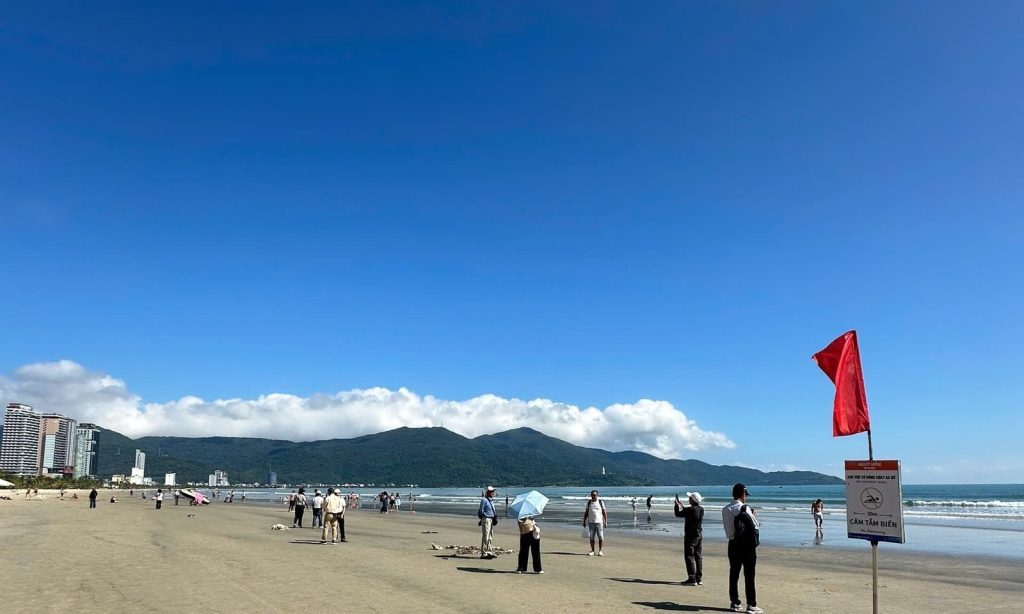
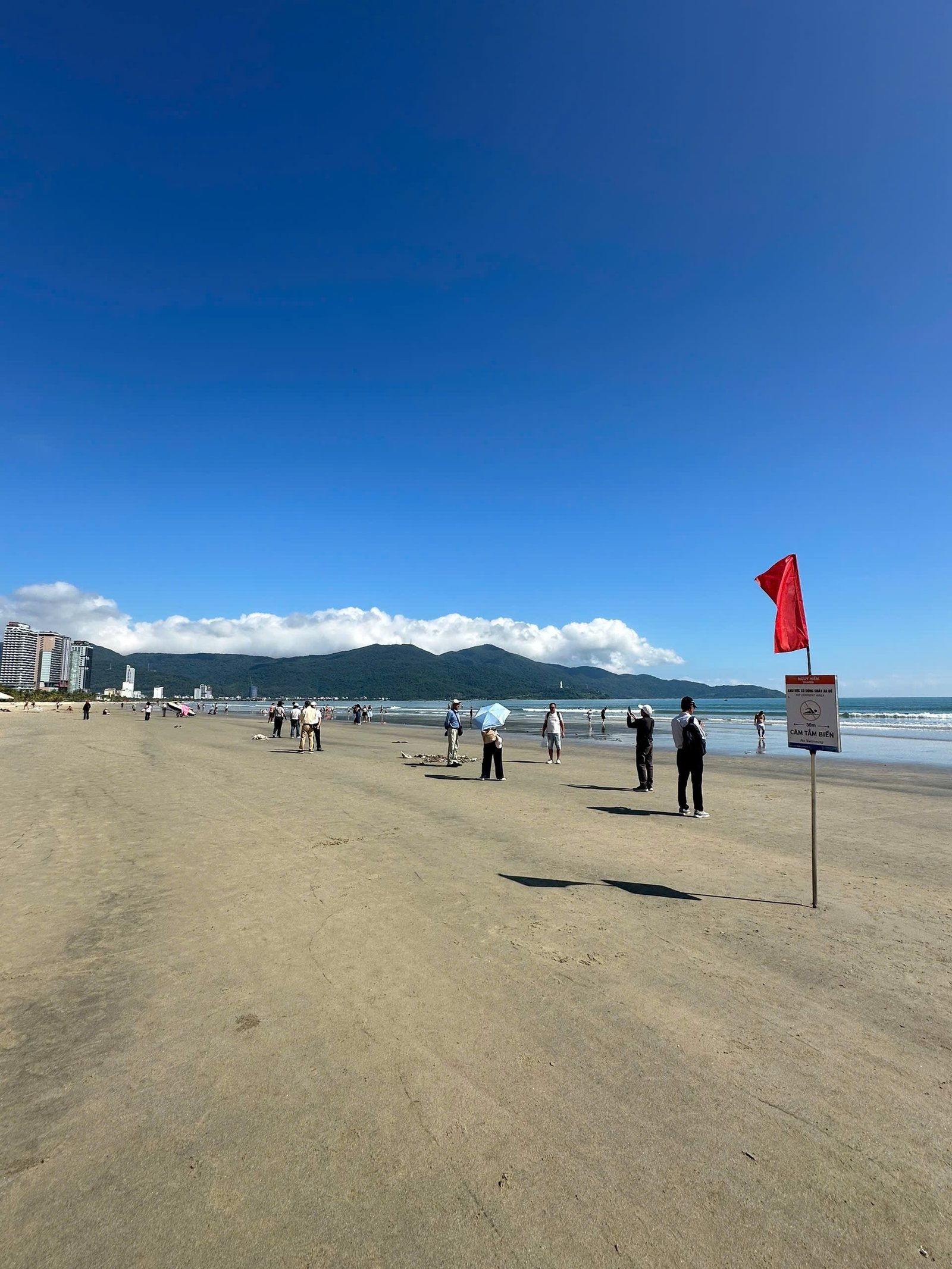
Da Nang wakes up early. By 5 AM the beach is full of locals swimming, doing exercises and walking, and the fishermen are pulling in their nets. It is one of the easiest ways to feel part of the city from your first week.

After that: coffee, the market, a long lunch, a nap through the heat, and a walk along the river or the beach when it cools down. The city is small, flat and clean, the electric buses are cheap, and Hoi An, the Marble Mountains, Ba Na Hills and Hue are all easy day trips. There are Facebook groups for expats in Da Nang and Hoi An where people swap tips, sell furniture and organise meet-ups.
Learning a little Vietnamese goes a long way. Even “xin chao” (hello), “cam on” (thank you) and numbers for the market will change how people treat you.

The honest downsides
- The visa runs. Four trips a year adds cost and planning, and the rules could change in either direction.
- Serious medical care. Good for everyday needs, but complex treatment may mean Ho Chi Minh City or Bangkok.
- Distance from family. There are no direct flights to the US. Count on 20–24 hours or more with a change in Seoul, Tokyo, Taipei, Hong Kong or Singapore.
- Language. English is common in An Thuong and hotels, much less so at the market, the bank or the hospital front desk.
- Typhoon season. October and November can be wet, windy and occasionally disruptive.
- Traffic. Calmer than Hanoi or Saigon, but motorbikes are everywhere and the rules are loose. Many retirees use Grab instead of driving.
Our honest advice, and Forbes says the same: try it first. Rent a furnished apartment for one to three months, ideally including some rainy-season weeks, before you sell anything at home.

FAQ
Is Da Nang a good place to retire?
Yes, for many people. Forbes named Da Nang and Hoi An among the best places to retire abroad in 2026, mainly for the low cost of living, beaches, food and safety. The trade-offs are the lack of a retirement visa, limited serious medical care and the distance from the US.
How much do I need to retire in Da Nang?
A couple can live comfortably on about US$1,800–2,500 a month, including rent and international health insurance. A single person can manage on less, around US$1,200–1,600.
Does Vietnam have a retirement visa?
No, not as of November 2026. Most retirees use 90-day e-visas and leave the country to get a new one. Spouses of Vietnamese citizens and overseas Vietnamese have longer options.
Can I get my Social Security in Vietnam?
Yes. You can keep a US bank account or use the SSA’s international direct deposit to a bank in Vietnam. Check the current rules on ssa.gov.
Does Medicare work in Vietnam?
No. You need private international health insurance while you live here.
Can a foreigner buy a home in Da Nang?
You can buy an apartment in an approved project on a 50-year term, but not land. See the property section of our moving guide.
Source for the Forbes list: William P. Barrett, “The Best Places To Retire Abroad In 2026”, Forbes, 31 July 2026 (updated 5 August 2026).
Follow Visit Da Nang for daily Central Vietnam updates.