Quick answer: Scammers copy real Da Nang hotels’ Facebook pages – name, logo, photos, even a blue tick – then offer a cheap room and ask for a deposit by bank transfer. Once you pay, the page goes quiet. To stay safe, book only on the hotel’s official website or a major booking platform, call the hotel on the number from its website or Google Maps, pay by credit card, and never send money to a personal bank account. If you’ve already paid, call your bank immediately, screenshot everything, and report it to the police (113).
The scam in 3 steps
That beautiful beachfront hotel on Facebook, with the great price and the friendly reply, might not be the hotel at all. Vietnamese media and police have been warning about fake hotel pages for months, and the tricks keep getting harder to spot. Travelers who book through social media are the main targets.
- They clone a real hotel. Scammers copy a real hotel’s name, logo, photos and posts onto a new Facebook page. Some even have thousands of followers and a blue verified badge.
- They offer you a great deal. When you message, a “receptionist” replies fast with a discounted room, often with breakfast or airport pickup thrown in.
- They ask for a deposit by bank transfer. Usually 30–50% “to hold the room,” sent to a Vietnamese bank account. Once you pay, the page goes quiet, or asks for more.
It works because it looks normal. Many real Vietnamese hotels do take bookings over Facebook Messenger and Zalo, so a deposit request doesn’t feel strange. A receptionist at a large hotel in Da Lat told Tuoi Tre that guests regularly arrive to check in, only to learn their deposit went to a fake page.
🚨 Latest case (October 2026): police in An Giang charged 10 people over fake 5-star Phú Quốc resort pages that took travellers’ deposits, with more than 6,000 billion VND flowing through 229 bank accounts. They even used shell-company bank accounts to look legitimate. Read what happened and how the scam worked.
Real cases: this is happening now
These aren’t hypotheticals. Every case below was reported by Vietnamese police or major news outlets in 2025. Amounts in US dollars are approximate.
Da Nang: a graduation trip that cost over 250 million dong
A mother from Quang Ngai wanted to treat her daughter to a 3-day Da Nang trip before university. She found a hotel page with a blue verified badge, discounts for longer stays, and glowing reviews. The page offered an extra 5% off for a 50% deposit, and 10% off for paying in full.
After her first transfer, a caller “confirmed” the payment, then said her transfer note was wrong and asked her to pay again, promising to refund the first. Next came a fake “accountant” to help with the refund. By the time she realized, she had lost more than 250 million VND (about US$9,500). Police said dozens of people fell for the same setup in July 2025 alone. (Bao Van Hoa)
Da Lat: the fake page had 10x more followers than the real one
A Vietnamese-Australian woman visiting home booked a central Da Lat hotel for her family and sent a deposit of over 10 million VND (about US$380). At check-in, the hotel told her the page wasn’t theirs. The real hotel’s page had about 34,000 followers. The fake one had 320,000. A tech expert told Tuoi Tre that the Page Transparency section on these fakes often shows name changes and admins based in Cambodia. (Tuoi Tre)
Nha Trang: fake booking confirmations with a forged government stamp
Scammers cloned big beachfront hotels including Vinpearl, Masova and Best Western Premier Marvella. After a 50% deposit, guests received official-looking confirmations stamped and signed in the name of the Khanh Hoa Tourism Department director. That department no longer existed, as it had been merged months earlier. Masova reported 4 guests losing over 50 million VND (about US$1,900) in May and June 2025 alone. (Tuoi Tre)
Mui Ne: a British tourist turned away at check-in
An RMIT University lecturer described watching a British tourist arrive at a Mui Ne hotel with a paid deposit, only to learn the hotel had no booking. The Facebook page had polished photos, good reviews and fast replies, and it was a near-perfect copy of the real hotel’s page. It was also running paid ads. (RMIT Vietnam)
Sapa: two sisters, 500+ victims, 18 bank accounts
In July 2025, Lao Cai police arrested two sisters accused of scamming more than 500 tourists through fake hotel and villa pages. They took 50% deposits into accounts under other people’s names, blocked victims, deleted the page, and started again. Over about 15 months they used 18 bank accounts and dozens of SIM cards. (Dtinews)
The pattern: a cloned page, a too-good price, a deposit by bank transfer, and then silence, or a request for more money.
Red flags: stop if you see these
- Bank transfer only. No card payment, no booking link, just an account number.
- The account is in a person’s name, not the hotel’s registered company. And a company name alone isn’t proof either: some rings open accounts for shell companies so the transfer looks official.
- The price is too good, especially during summer, Tet or public holidays when Da Nang fills up.
- Pressure to pay now. “Only one room left” or “this price ends today.”
- The page is new or recently renamed. Real hotels usually have pages that are years old.
- Reviews don’t add up. Few reviews, or comments that are switched off.
A blue check is not proof
Vietnamese authorities specifically warn travelers not to trust a verified badge on its own. Before you message any hotel page, open About → Page transparency on Facebook. Check when the page was created and whether its name has changed. A “five-star resort” page created last month is a fake.
How to book safely in Da Nang
- Book on the hotel’s official website. Type the address yourself or find it through Google. Don’t follow a link someone sends you in a chat.
- Or use a major booking platform, and keep every message and payment inside the app. Booking.com has confirmed that some partner hotels’ accounts were hacked and used to send scam payment requests, so never pay through a link sent in a platform chat.
- Call to confirm. Use the phone number on the hotel’s official website or Google Maps listing, not the number the Facebook page gives you.
- Pay by credit card when you can. Card payments can be disputed. A bank transfer inside Vietnam is very hard to reverse.
- Peak season? Book early. Scammers target last-minute travelers who can’t find a room and are ready to take any offer.
Not sure where to stay? See my where to stay in Da Nang guide, or the booking platforms I use myself on my book your stay page.
Already paid? Act fast
- Call your bank immediately and ask them to stop or recall the transfer. Speed matters.
- Screenshot everything: the Facebook page, the chat, the account number and your transfer receipt.
- Contact the real hotel. Let them know their name is being used. They may already be collecting reports.
- Report it to the police (call 113, or go to the nearest ward police station with your screenshots), and report the page to Facebook. Visitors can also call the Da Nang tourist support hotline on (+84) 236 3550 111 for help.
- Don’t pay again. If someone asks for a “refund fee” or “unlock fee” to return your money, that’s the same scam. So is “your transfer note was wrong, please send it again.” Hanoi police specifically warn against any second transfer for a payment error, frozen transaction or refund.
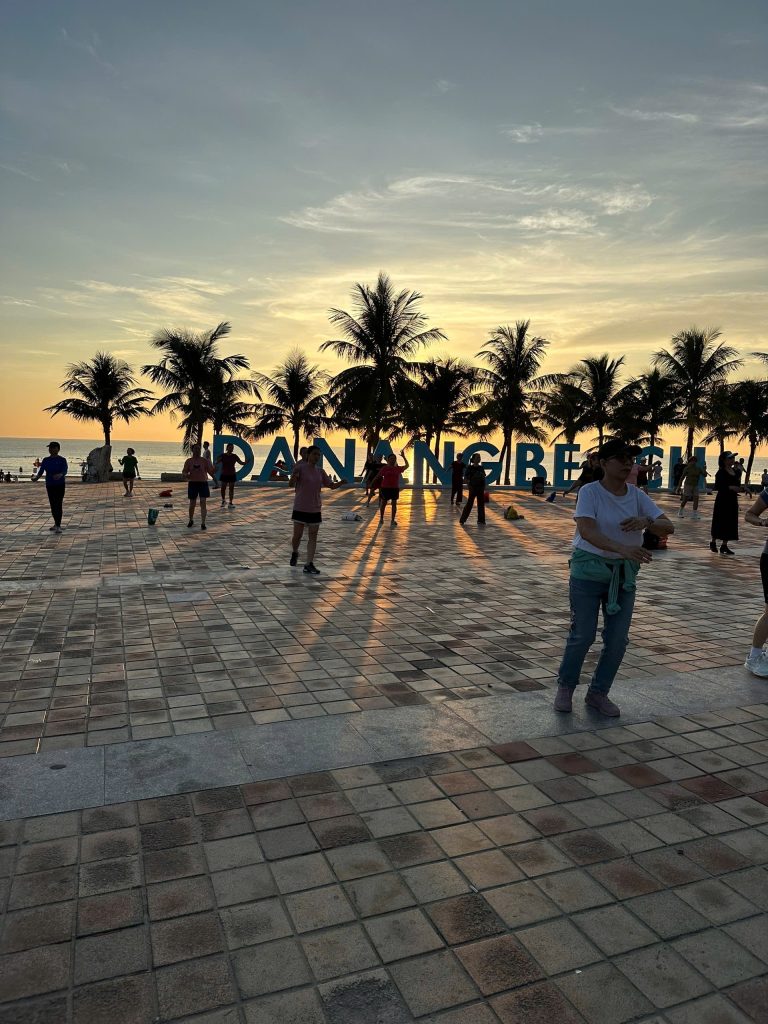
Da Nang is one of the friendliest, easiest cities in Asia to visit, and most hotels here are honest and welcoming. A few minutes of checking keeps it that way for your trip. Save this guide, and share it with whoever is booking your next stay.
👉 Ready to book? See the hotels I recommend in Da Nang and Hoi An, with prices and direct booking links, on my Book your trip page.
FAQ: hotel booking scams in Vietnam
How do I know if a hotel’s Facebook page is fake?
Open About → Page transparency and check when the page was created and whether its name has changed. Compare it with the link on the hotel’s official website. Fake pages are often new or renamed, ask for a bank transfer only, and pay into a personal account.
Is it safe to pay a hotel deposit by bank transfer in Vietnam?
Only if you have confirmed the booking by calling the hotel on the number from its official website or Google Maps, and the account is in the hotel’s own registered company name. Even a company account isn’t proof on its own: in a 2026 Phú Quốc case, scammers opened bank accounts for shell companies to look legitimate. A credit card or a major booking platform is safer, because payments can be disputed.
What should I do if I paid a fake hotel page?
Call your bank straight away to try to stop the transfer, screenshot everything, tell the real hotel, report it to the police (113) and to Facebook, and never send a second payment to “fix” or “refund” the first.
Sources
- Tuoi Tre: fake hotel booking scams on social media
- Dai Bieu Nhan Dan: rising travel booking scams, Hanoi police advice
- VnReview: Quang Ninh warning on fake hotel fanpages
- VOH: Singapore warns of Booking.com hotel scams
- Bao Van Hoa: Quang Ngai mother loses 250M VND on fake Da Nang hotel page
- Tuoi Tre: fake hotel pages in Nha Trang, forged tourism department stamp
- RMIT Vietnam: British tourist scammed in Mui Ne
- Dtinews: sisters arrested for scamming 500+ tourists in Sapa
- Dtinews: Hanoi police warning on repeat-transfer tricks (May 2026)
- Bao Van Hoa: Da Nang police warning on fake 4–5 star hotel pages