Last updated: 9 November 2026
Quick answer: there is no strict dress code for walking around Hoi An Ancient Town, so shorts, t-shirts and sundresses are fine on the streets. The rule is for sacred places: in temples, pagodas, assembly halls, communal houses and on the Japanese Covered Bridge, cover your shoulders and knees. Swimwear and bikinis are not OK anywhere in the old town. Staff at heritage sites can ask you to cover up, or turn you away.
Why does Hoi An have a dress code?
Hoi An Ancient Town is a UNESCO World Heritage Site, but it is also a living town where people still pray at family altars, pagodas and the old Chinese assembly halls every day. Rules on suitable clothing are written into the visitor regulations at the heritage sites, and in 2026 the town said it would add multilingual clothing signs at religious sites after a foreign visitor in a very revealing dress was stopped at the Japanese Covered Bridge (VnExpress International). As a local, I can tell you nobody expects you to dress formally. It’s simply about respect in the sacred places.
What to wear in Hoi An: the simple rules
1. On the old town streets: wear what is comfortable
Shorts, t-shirts, tank tops, sundresses and sandals are all fine for walking the streets, the riverside and the night market. It’s hot and humid for most of the year, so light cotton or linen is best.
2. In temples, pagodas and assembly halls: cover shoulders and knees
This includes the Chinese assembly halls (like Phuc Kien and Quang Dong), Quan Cong Temple, pagodas and communal houses, many of which are on your Ancient Town ticket. Wear a t-shirt or blouse with sleeves and shorts or a skirt that reaches your knees, or carry a cover-up.
3. The Japanese Covered Bridge is a sacred relic
The 400-year-old bridge has a small temple inside, so treat it like one: no crop tops, very short shorts or see-through clothing. This is the place where staff are most likely to stop you.
4. No bikinis or swimwear in the old town
Save your swimwear for An Bang and Cua Dai beaches, about 10 minutes away. Beachwear is perfectly normal there, but put a dress or shirt on before you head back into town.

My easy packing tip
Pack a light scarf, sarong or thin long-sleeve shirt in your bag. You can throw it over your shoulders or tie it around your waist in a few seconds when you go into a temple, then take it off again outside. It also helps with the midday sun.
Other etiquette to know
- Take off your shoes when you see shoes left at the door, for example in some temples and old family homes.
- Take off your hat in front of altars, and don’t point your feet at them.
- Ask before you photograph people praying, and don’t climb on statues or altars.
- Keep your voice down inside the temples and assembly halls.
Or dress up: rent an ao dai
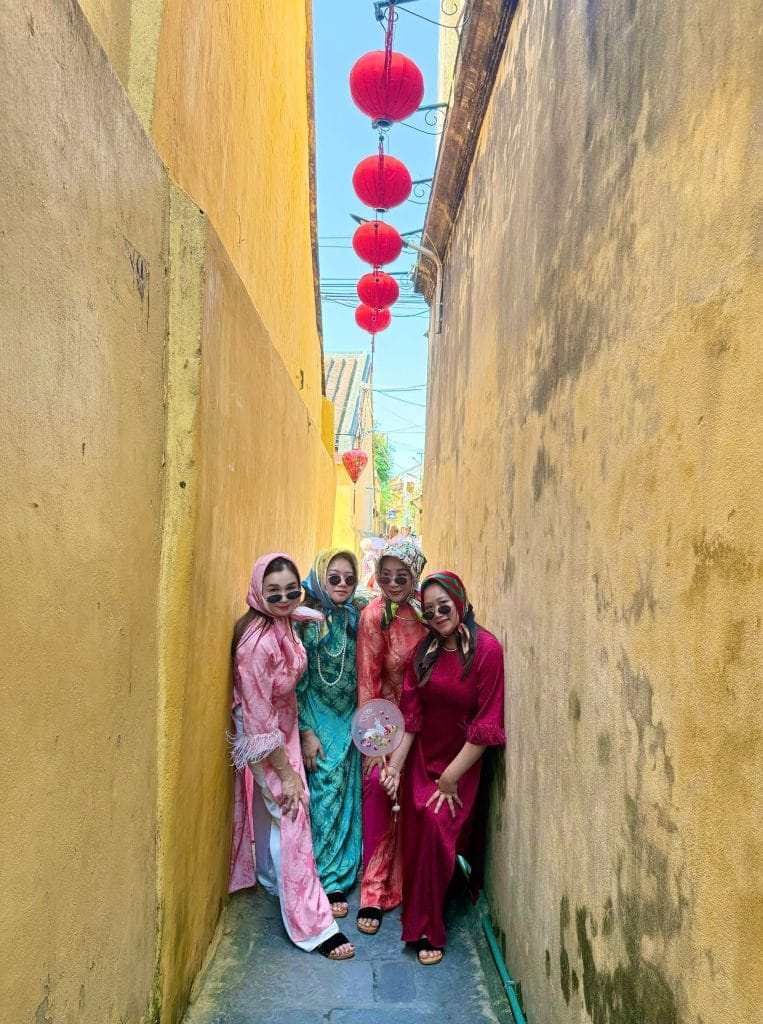
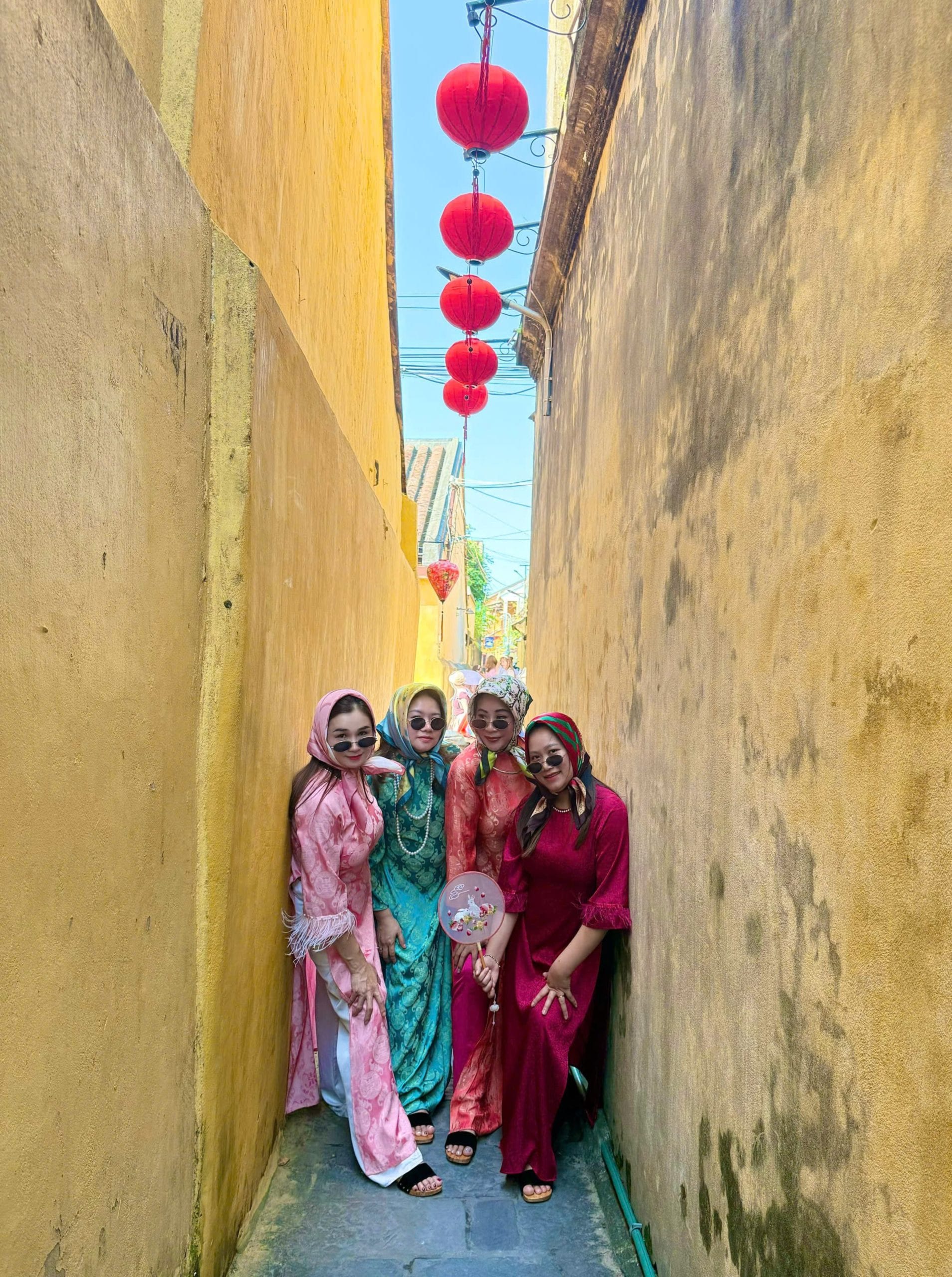
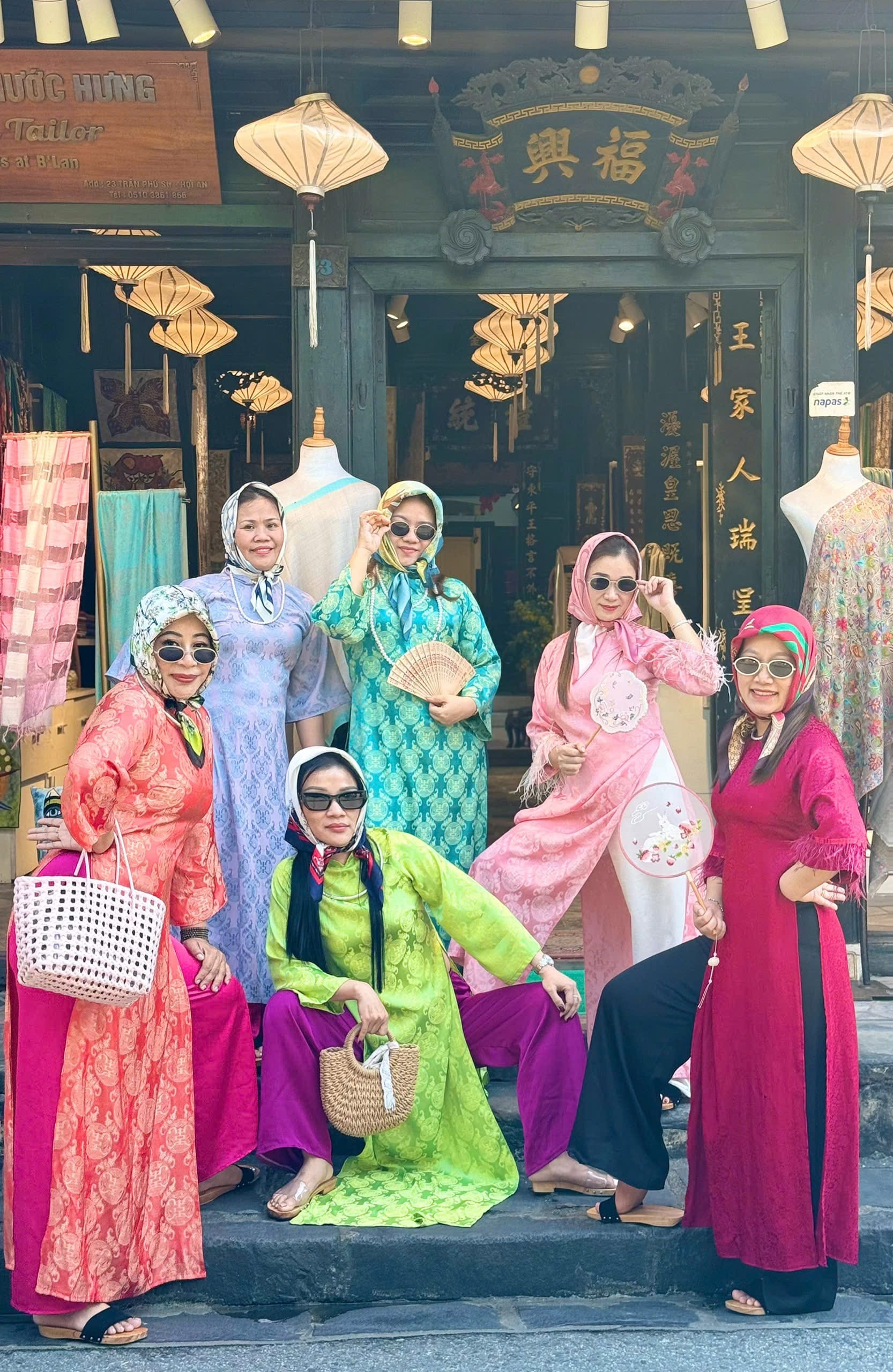
The prettiest way to dress respectfully in Hoi An is to rent an ao dai, the Vietnamese long dress. There are costume rental shops all over the old town, and it’s quick and easy. Take your photos in the yellow alleys in the daytime, then return the outfit. It’s extra fun during the Hoi An International Lantern Festival (3–6 December 2026), when the night parade features traditional dress.
Hoi An dress code FAQ
Can I wear shorts in Hoi An?
Yes, on the streets. For temples, pagodas, assembly halls and the Japanese Covered Bridge, choose shorts that reach your knees or carry a sarong.
Can I wear a tank top in Hoi An?
Yes, on the streets. Cover your shoulders with a scarf or shirt when you go into sacred places.
Will I be refused entry for my clothes?
It can happen. Staff at the heritage sites can ask you to cover up or not let you in, especially at the Japanese Covered Bridge.
Plan your Hoi An trip