Renting a motorbike is my favourite way to explore Da Nang. You can ride along the beach road at sunrise, head up to the Son Tra Peninsula whenever you like, and stop for a coffee wherever you see a nice view. But I’ve also seen a lot of tourists get it wrong: bikes that break down halfway through a trip, unfair “damage” charges, passports held as a deposit and overpriced roadside repairs. Here are the tips I use every time I rent, what you should really pay in 2026 (about 80,000–200,000 VND a day for a normal bike), and the rental shops I trust.
Why rent a motorbike in Da Nang?
Da Nang is spread out. The beaches, the Marble Mountains, the Son Tra Peninsula and the road to Hoi An are all a short ride from one another, but too far apart to walk. A bike gives you freedom: you set your own schedule, you can go back to a beach when the light is better, and a full day of sightseeing costs a fraction of what taxis would.
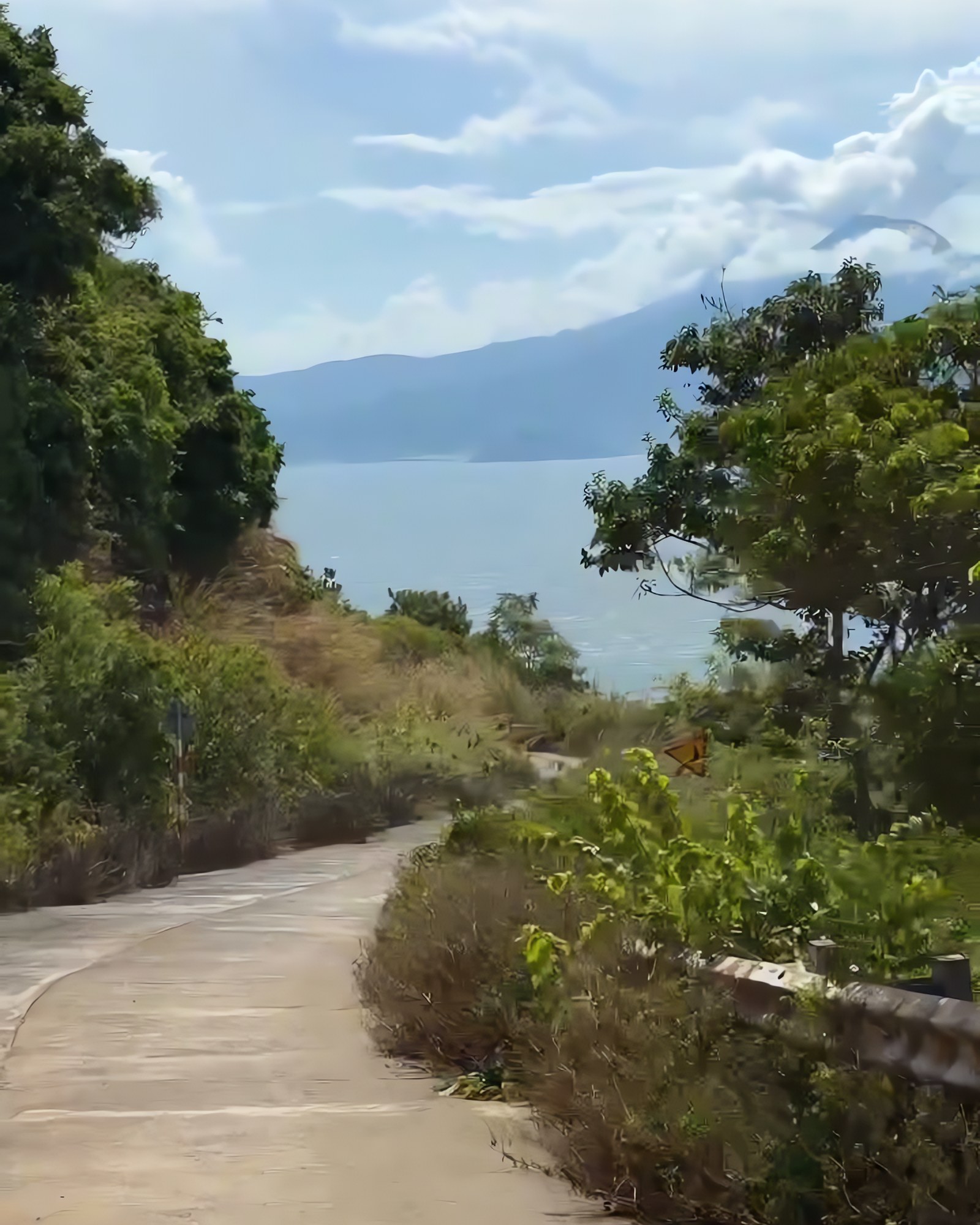
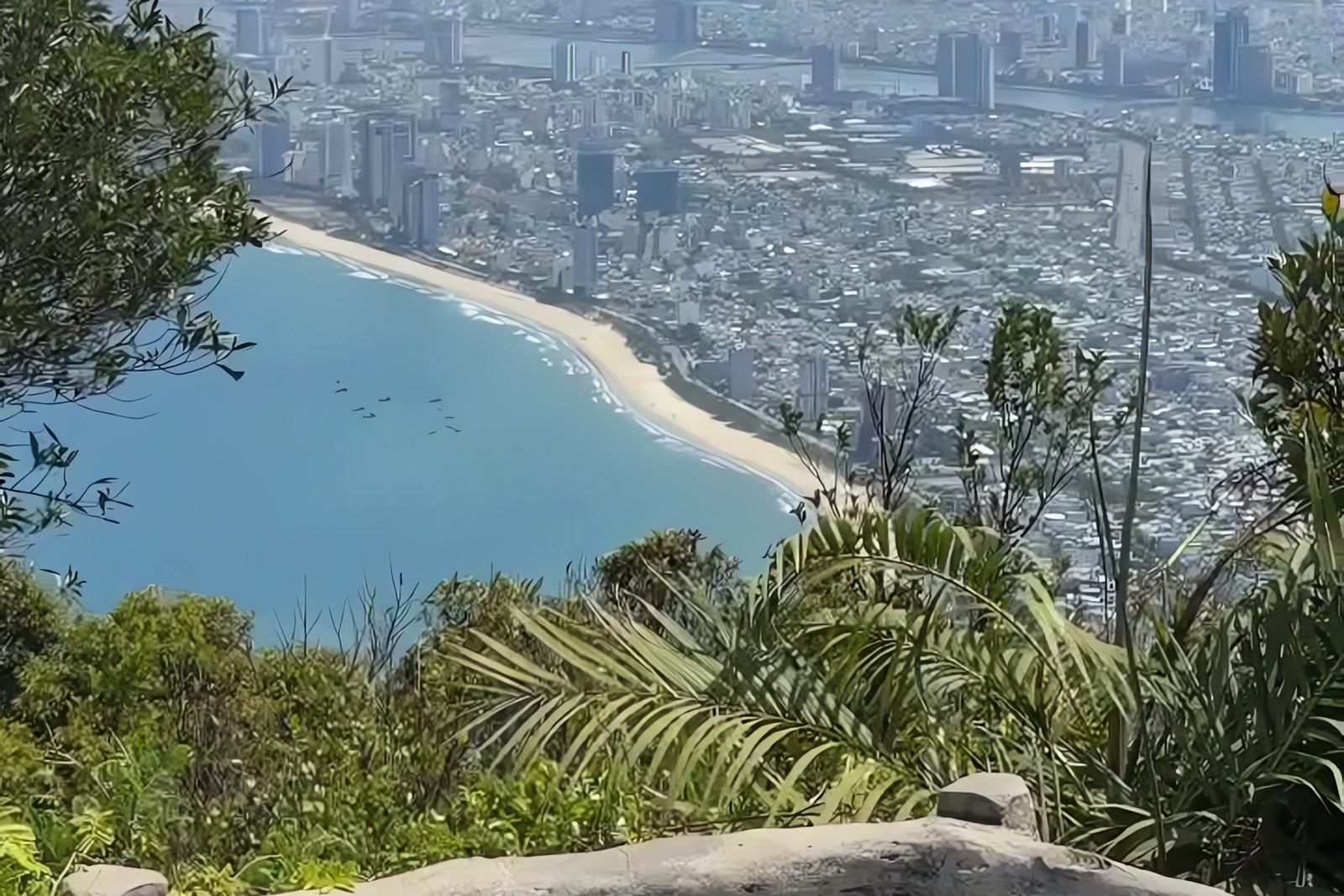
Some of my favourite rides are the coast road up to the Linh Ung Pagoda and the Lady Buddha on Son Tra, an early-morning ride along My Khe Beach, and the day trip over the Hai Van Pass. If you’re only comfortable on quiet roads, start with the beachfront early in the morning, before the traffic builds.
Which bike for which ride?
| Ride | Bike to choose |
|---|---|
| Around the city and flat coastal roads | An automatic scooter (xe ga) or a semi-automatic (xe số); either is fine |
| Longer rides on flat roads | A scooter with a liquid-cooled engine, which copes better with the heat over long distances |
| Mixed roads with a pass or two, like the Hai Van Pass | A semi-automatic or a manual-clutch bike (côn tay) |
| Steep passes and mountain roads | A manual-clutch bike, and only if you’re an experienced rider |
Choose for your experience, not the photos: if you’ve never ridden a clutch bike, a mountain pass is not the place to learn.
My 6 tips for renting a motorbike in Da Nang
1. Do your research first
Don’t just grab the first bike you see! I always spend 10 minutes checking online reviews and comparing prices before I rent. A good shop is easy to find and easy to contact. Look for:
- A clear street address you can find on Google Maps
- A phone number (ideally on Zalo or WhatsApp too)
- A website or an active Facebook fanpage
- Plenty of good, recent reviews
Red flag: if the price seems too good to be true (way below 80,000 VND a day), walk away. Bikes that cheap are often old or in poor condition. I’ve seen too many tourists get stuck with bikes that break down mid-trip, and a cheap rental quickly gets expensive when you’re waiting by the road for help.
2. Check the bike properly (and test-drive it)
Before I hand over any money, I go over the whole bike:
- Photos or a video of the whole bike, including every existing scratch and dent, with the shop owner watching. This has saved me from unfair charges multiple times.
- Brakes: front and rear, both firm
- Lights: low beam, high beam and the brake light
- Turn signals, horn and mirrors: all working, mirrors tight
- Tyres: look at the tread for wear and check they’re not soft
- Engine: starts easily and idles smoothly
Then I take a 5-minute ride around the block. A smooth-running engine now saves you from being stranded later. If a shop won’t let you test the bike, find another shop.
Fuel: rental bikes usually come with only about a litre in the tank, so ride straight to the nearest petrol station and fill up.
3. Protect yourself with paperwork
Most rental shops will ask to hold an ID or your passport, or take a deposit (đặt cọc). In my experience the deposit is usually 500,000–2,000,000 VND, depending on the bike and the shop, and some shops are happy with a copy of your passport instead. Where you can, offer a copy or a cash deposit rather than your original passport. It’s the one document you really can’t travel without, and you’ll need it for hotel check-ins too.
Also ask the shop for:
- A notarised copy of the bike’s registration paper (cà vẹt)
- The bike’s compulsory insurance certificate; every motorbike in Vietnam must carry compulsory civil liability insurance
- A proper rental agreement with the price, dates, deposit and the shop’s phone number
4. Know your budget and the free services
Prices depend mostly on the type of bike. My price guide for 2026:
- Semi-automatic (xe số, e.g. Honda Wave, Yamaha Sirius): 80,000–150,000 VND a day
- Automatic scooter (xe ga, e.g. Honda Vision, Air Blade, Lead): 120,000–200,000 VND a day
- Big bikes, dirt bikes and classics: from about 500,000–800,000 VND a day, and more for premium models
Many reputable shops offer free delivery and pickup at your hotel, and some even deliver to the airport. Before you agree, ask one more question: “If the bike breaks down on the road, will you come and help?” Some shops provide roadside assistance or will swap the bike. Bottom line: a slightly higher price for peace of mind is always worth it when you’re exploring a new city!
5. Lock it every time
Lock the bike carefully every time to prevent theft, even if you’re only stopping for five minutes. My routine:
- Use the steering lock, plus the extra chain lock if the shop gives you one
- Park in paid or guarded parking (look for a gửi xe sign, where an attendant gives you a ticket) or in your hotel’s parking area
- Never leave the key or your helmet on the bike
6. If it breaks down, call the shop first
Flat tyre? Engine won’t start? Don’t push the bike into the first roadside repair stall you see. Some of them overcharge tourists badly (Vietnamese has a word for it: chặt chém). Call your rental shop first. A good shop will tell you where to go, send someone, or swap the bike. That’s exactly why I save the shop’s number before I ride off.
How much does it cost to rent a motorbike in Da Nang?
| What | My price guide (2026) |
|---|---|
| Semi-automatic (xe số: Wave, Sirius) | 80,000–150,000 VND/day (≈ US$3–6) |
| Automatic scooter (xe ga: Vision, Air Blade, Lead) | 120,000–200,000 VND/day (≈ US$5–8) |
| Big bike, dirt bike or classic | From about 500,000–800,000 VND/day, more for premium models |
| Deposit (đặt cọc) | Usually 500,000–2,000,000 VND, refunded when you return the bike; some shops accept a passport copy instead |
| Hotel delivery and pickup | Often free at reputable shops; some deliver to the airport |
| First fill-up | Budget for a full tank, since bikes usually come with only about 1 litre |
| Guarded parking (gửi xe) | A small fee; ask the attendant |
Far below 80,000 VND a day is the warning sign. If a normal scooter is priced well above 200,000 VND, ask what you’re getting extra (a newer bike, delivery, insurance).
Licence: do you need an IDP to ride in Vietnam?
Yes, to ride a normal motorbike legally you need a valid licence. Rental shops rarely ask, but the police can. According to Vietnam News (May 2026), foreigners have three legal options:
- A Vietnamese driving licence, either converted from your home licence or obtained by taking the test here
- An International Driving Permit (IDP), but only one issued under the 1968 Vienna Convention, carried together with your home licence. Vietnam doesn’t recognise IDPs issued under the 1949 Geneva Convention.
- A driving licence from another ASEAN country
Make sure your licence or IDP covers motorbikes, not just cars. Vietnamese law treats small mopeds (50cc or less, and low-power electric mopeds) as a separate category with a 40 km/h limit. No motorbike licence or IDP? You can still ride a 50cc (or low-power electric) moped: under Vietnam’s 2024 Road Traffic Law these don’t need a driving licence, and that applies to visitors too. You must be 16 or older, and the limit is 40 km/h, so they’re for getting around town, not for the Hai Van Pass. Ask the shop for a 50cc or electric option. It’s also worth reading your travel insurance policy to see what it says about riding a motorbike abroad. Still planning your trip paperwork? See my Da Nang visa guide.
Safety on the road
- Always wear a proper, standard helmet with the strap closed. It’s the law in Vietnam for both rider and passenger. Shops usually include helmets, so swap any that are cracked or don’t fasten.
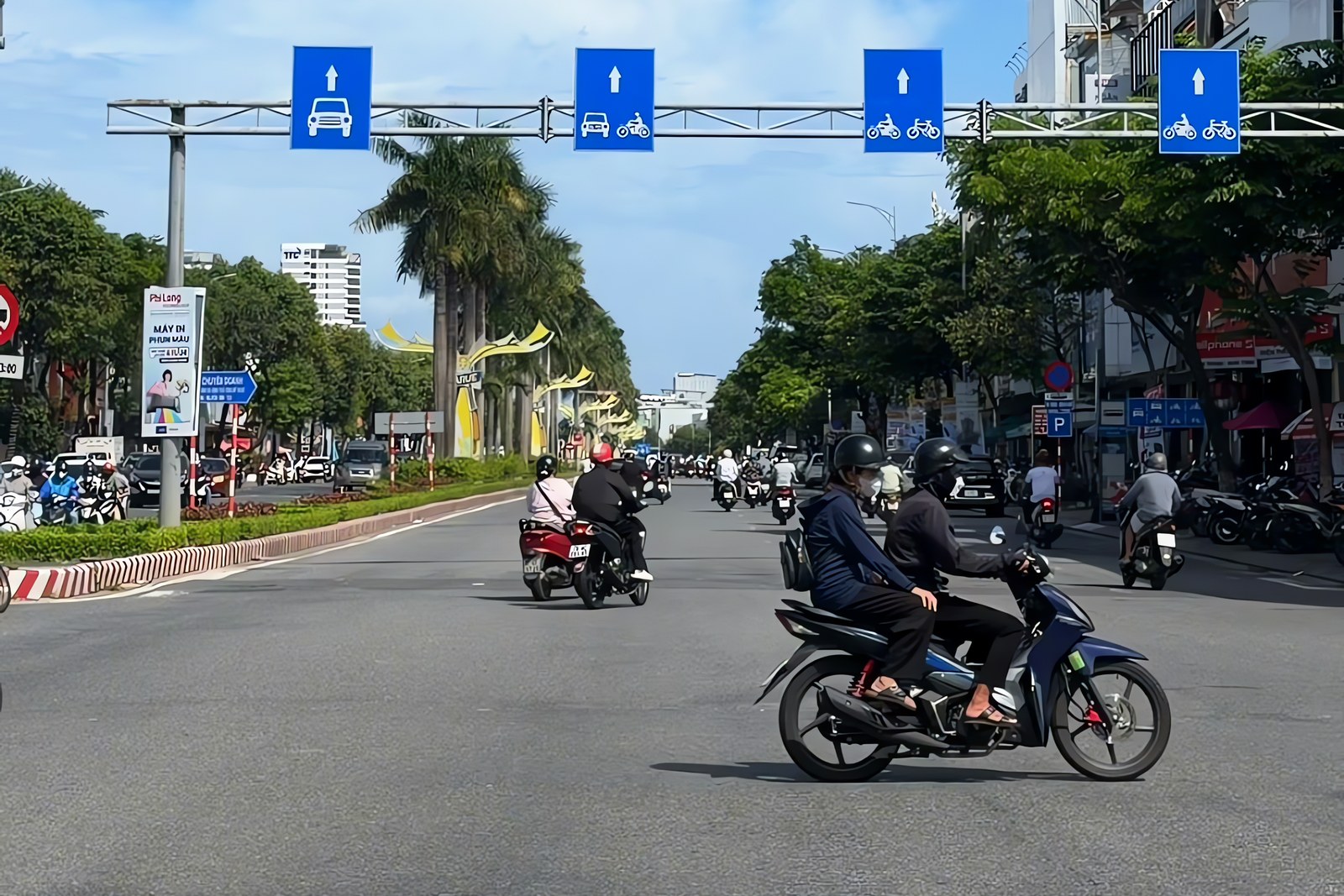
- Follow the traffic rules and stay in your lane. Keep to the right, signal early, and watch for bikes coming out of side streets.
- Respect the speed limits. Under Vietnam’s speed rules in force since 2025 (Circular 38/2024), motorbikes may do at most 50 km/h on two-way roads in built-up areas, or 60 km/h on dual carriageways. Outside built-up areas the maximum is 60 km/h on two-way roads and 70 km/h on dual carriageways. Mopeds of 50cc or less are limited to 40 km/h everywhere. Always follow the posted signs, which can be lower.
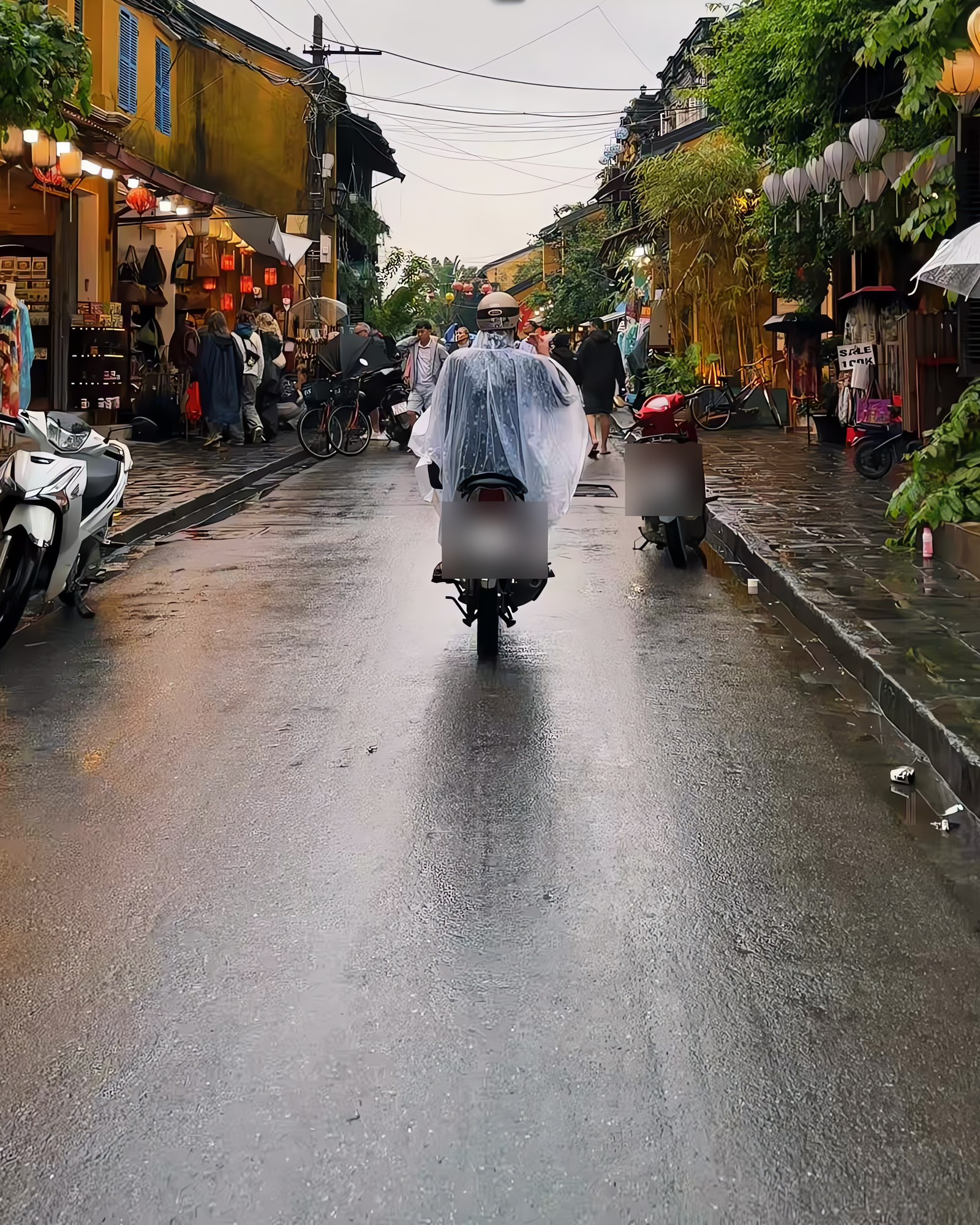
- In the rainy season (roughly September to December), roads get slippery and visibility drops. Wear a poncho, brake earlier and skip the mountain roads in heavy rain. Check my Da Nang weather forecast before a long ride.
Motorbike rental shops I trust in Da Nang
These 4 shops have fair prices and are in the Son Tra area on the east side of the Han River, close to the beaches and the popular tourist areas. I’m not paid to recommend them.
1. Thuê xe máy Bình Minh Đà Nẵng
📍 18 Phan Bôi, Sơn Trà, Đà Nẵng
2. Hà Moto
📍 68 Chính Hữu, An Hải Bắc, Sơn Trà, Đà Nẵng
3. Cho thuê xe máy Đà Nẵng – Việt Anh
📍 43/36 Lê Hữu Trác, An Hải Đông, Sơn Trà, Đà Nẵng
4. Thuê Xe Máy Đà Nẵng – Hồ Vỹ
📍 14 Dương Tự Minh, An Hải Bắc, Sơn Trà, Đà Nẵng
Whichever shop you pick, the same rules apply: check and test the bike, keep your original passport if you can, photograph the scratches, lock the bike every time, and call the shop if anything goes wrong. Staying nearby? My guide to where to stay in Da Nang covers the Son Tra and My Khe beach areas.
FAQ: renting a motorbike in Da Nang
How much does it cost to rent a motorbike in Da Nang?
In my experience, a semi-automatic (Wave, Sirius) costs about 80,000–150,000 VND a day, an automatic scooter (Vision, Air Blade, Lead) about 120,000–200,000 VND, and big bikes or classics from about 500,000–800,000 VND. Anything far below 80,000 VND is a red flag, because those bikes are often old or in poor condition.
How much is the deposit, and do I have to leave my passport?
Deposits (đặt cọc) are usually 500,000–2,000,000 VND, depending on the bike and the shop. Most shops ask to hold an ID or passport or take a deposit; some accept a passport copy. Where you can, offer a copy or a cash deposit instead of your original passport, and write the deposit into the rental agreement.
Do I need an International Driving Permit to ride a motorbike in Vietnam?
To ride legally you need a Vietnamese licence, a licence from another ASEAN country, or an IDP issued under the 1968 Vienna Convention carried with your home licence. IDPs issued under the 1949 Geneva Convention aren’t valid in Vietnam. No licence? 50cc and low-power electric mopeds don’t need one, for visitors too (16+, max 40 km/h).
What should I do if my rental bike breaks down?
Call the rental shop first, before pushing the bike into a random roadside repair stall, where tourists are sometimes overcharged. Good shops will send help, tell you where to go or swap the bike. Ask about this before you rent.
Will the rental shop deliver the bike to my hotel or the airport?
Many reputable shops in Da Nang offer free delivery and pickup at your hotel, and some deliver to the airport. Ask when you book.
How do I stop my rental bike from being stolen?
Use the steering lock every time you park, add the chain lock if the shop provides one, park in guarded parking (gửi xe) or at your hotel, and never leave the key or helmet on the bike.
📖 For more local tips, see my best time to visit Da Nang guide, or follow @visit_danang_vietnam for daily Da Nang updates.